
This post may contain affiliate links. Please see our disclosure policy.

Looking for a plan on how I cured my vestibular migraine? While a cure isn’t possible for migraine – remission is! This is a question I get often and one I’ve asked to my neurologist many times. The answer is yes, it’s completely possible to be free of dizziness and feel 100% on most days. I’m total proof this can happen with an effective vestibular migraine treatment plan.
While it did take me about two to three years to completely have dizzy-free days, now it’s more common for me to not have any symptoms. Is this remission? It’s tough to say as I think remission looks different for everyone. But any dizzy days are so much more manageable now and this is even after going through infertility and IVF treatments.
My goal with this post is not to say this is exactly what you should be doing, but to provide some hope that finding the right doctor and getting on the right plan can make all the difference when battling a migraine or vestibular disorder. I also want to manage expectations that these treatments take time to work, and it’s definitely not a quick fix. Although migraine does not have a cure, you can definitely cure the daily symptoms of vestibular migraine!
Table of Contents
- Migraine without Headache
- A Vestibular Migraine Specialist
- Medications
- Neuromodulation Devices
- Supplements
- Diet
- Vestibular Therapy (VRT)
- Alternative Migraine Treatments
- Current Vestibular Migraine Treatment
- Low Ferritin and Vestibular Migraine
- Vestibular Migraine Remission is Possible
- Vestibular Migraine Posts
Migraine without Headache
About 4 years ago I started to experience episodes where I felt like I was moving when standing still or that I was walking on marshmallows. I had constant dizziness that led to brain fog, memory loss, and a floaty feeling, like my head was in the clouds or could become disconnected. I also struggled with visual symptoms and bright lights and loud noises seemed to make everything worse.
These are often symptoms of vestibular disorders, but all my test results were showing that I didn’t have hearing loss. Initially I showed some vestibular weakness in my left ear, but a follow up test at the Mayo clinic showed no weakness.
This finally lead to my diagnosis of vestibular migraine, which I found difficult to believe. I had always assumed that migraine = headaches. However, as my doctor explained, this particular type of migraine can come without headache pain.
My vestibular symptoms were constant, I never had a break. Some days were worse than others, but they were always there. I couldn’t drive, exercise, look at a computer or phone, or go for a walk without debilitating sickness or a vertigo attack.
A Vestibular Migraine Specialist
After seeing 7 doctors, a mix of neurologists and ENT’s, I finally met with “The Dizzy Doctor” – Dr. Shin Beh. Dr. Beh happened to be in my own backyard at UT Southwestern’s Medical Center and he specialized in vestibular migraine and unexplained dizziness. He now has his own practice – The Beh Center. There are very few doctors out there who treat this specifically so I was excited to meet with him.
After over an hour of reviewing my vestibular symptoms and some balance and eye movement tests, he diagnosed me with chronic vestibular migraine.
Although I do have a history of migraine in my family, both my mom and dad rarely got attacks so it wasn’t an obvious diagnosis for me until it was mentioned by my physician. In the past, we never discussed my parents attacks because they just didn’t seem like a big deal, but we know migraine is heavily influenced by genetics, and this can be one of the indicators.
Another small sign was car sickness as a child. I remember one episode very vividly where I had been out in the heat picking blueberries with my grandma and we drove home on winding mountain roads. I was even in the front seat and got so ill that afternoon. Dr. Beh mentioned this is common in individuals with VM.
Medications
In my discussion with Dr. Beh, we worked on some migraine recovery goals. My original plans before this chronic illness hit was to try to conceive and I knew I needed to feel better for that to happen in my life. I also wanted to keep that in mind as I chose a medication plan. We specifically chose medications for vestibular migraine that could either go into pregnancy, or I could wean off of. This included:
- Timolol Eye Drops – a beta blocker, the pill form has shown success for migraine prevention in studies. In eye drop form, it is absorbed faster and it can also be used as an acute medication to attempt to stop a migraine attack quickly. The eye drop form also allows for a smaller dosage of medication, limiting side effects. It took me about 2-3 months to notice this was an effective treatment for me. I did not have any side effects other than it stung a bit when I first put them in. I used these 2x a day – in the morning before I put in my contacts and at night. Timolol was my migraine preventative for over 3 years until I was going months feeling 100% without symptoms. At that point I decided to come off of it, which was so easy! It is now a reliable acute med for me to use as needed.
- Ativan – Dr. Beh prescribed the lowest dosage possible for me to take before bed. This would allow my brain to calm down and stopped some of my more severe vertigo attacks. It also helped with some of the anxiety I would feel in this new unbalanced life. With Ativan, I felt relief within just a few days, but it wasn’t complete relief in the beginning. Although I started on this daily, as I felt better I decreased my dosage to half a pill, and then would only use it for really bad attacks or traveling. Once I felt better, it was really effective and would shorten, decrease the intensity, or stop attacks completely. It’s important to note this medication is not meant as a long term solution. I used it daily for about 6 months before transitioning to as needed. The weaning process was not bad at all, but we went very slow. Ativan is now a reliable acute med for me if I feel any symptoms.
- Steroid Taper and Afrin – I’ve rarely had to do this, but when more severe attacks have popped up I do a short steroid taper combined with 2-3 days of Afrin. One instance was when I flew back from Hawaii with congestion and my ears couldn’t unplug, which spiked my vestibular migraine symptoms like dizziness. It usually helps improve symptoms quickly.
I did not take any of these medications while I was pregnant and just managed with the treatments below. I still kept Timolol in my back pocket though as an acute medication to use through pregnancy, with the approval of my OB and MFM. Because I wasn’t taking medications and struggled heavily with nausea, I ended up getting the gammaCore, which ended up helping a lot! More on that below.
After having kids and dealing with low ferritin, my attacks shifted from dizziness to have more pain. So I’m currently looking into trying Nurtec as another acute med for those days when the timolol drops aren’t enough. Insurance approval has been tough – with them wanting to charge me $800!
What Migraine Medications Didn’t Work
Medications that didn’t work for me previously are meclizine, dramamine, and a long course of steroids. I don’t seem to have success with antihistamines in general as I’ve recently tried hydroxyzine and cyproheptadine. Both made me extremely hungry and sleepy! I also don’t have any success with triptans – they make me feel terrible.
I also try to avoid anti-nausea medications like zofran, unless it’s a severe vertigo attack with vomiting. These tend to give me head pain, which I don’t usually encounter with my attacks.
Even 1/4 of the lowest dose of valium made me feel really out of it and foggy. On ativan (or lorazepam) I didn’t have as much brain fog or tiredness the next morning. Just goes to show you can have a medication in the same class and one can work better than another for you.
Neuromodulation Devices
I started using gammCore (a non-invasive vagus nerve stimulation device) during my first pregnancy and found it to be helpful with migraine prevention, stress, sleep, motion sickness – so many things.
Because the fee is expensive and not covered, I switched to Truvaga, which is the same company, similar device, just without the FDA approvals so it’s considered a “health device”. Basically does the same thing, but less expensive for this reason.
When I started having more head pain with attacks, I also added in a Cefaly device (use code MIGRAINEFRIENDS for $75 off). This works amazing for immediate pain relief and is also a great preventative. The downside is you have to use it laying down, which is tough if you don’t really have the time for that.
I find Cefaly incredibly helpful for pain, but not dizziness as much. I’ll often use the Truvaga right when I board an airplane or before car rides to help with motion sickness. I also use it before bed for prevention and sleep quality. Both devices have their seperate benefits!
Supplements
I started on the most researched combination of supplements for migraine as advised by my doctor. It also took me about 2-3 months of combining these with medications to even notice a difference in my 24/7 symptoms.
It’s important to remember most supplements are not a quick fix and you have to give them a while to see results. This is a great vestibular migraine treatment at home to try, although run all supplements by your physician first.
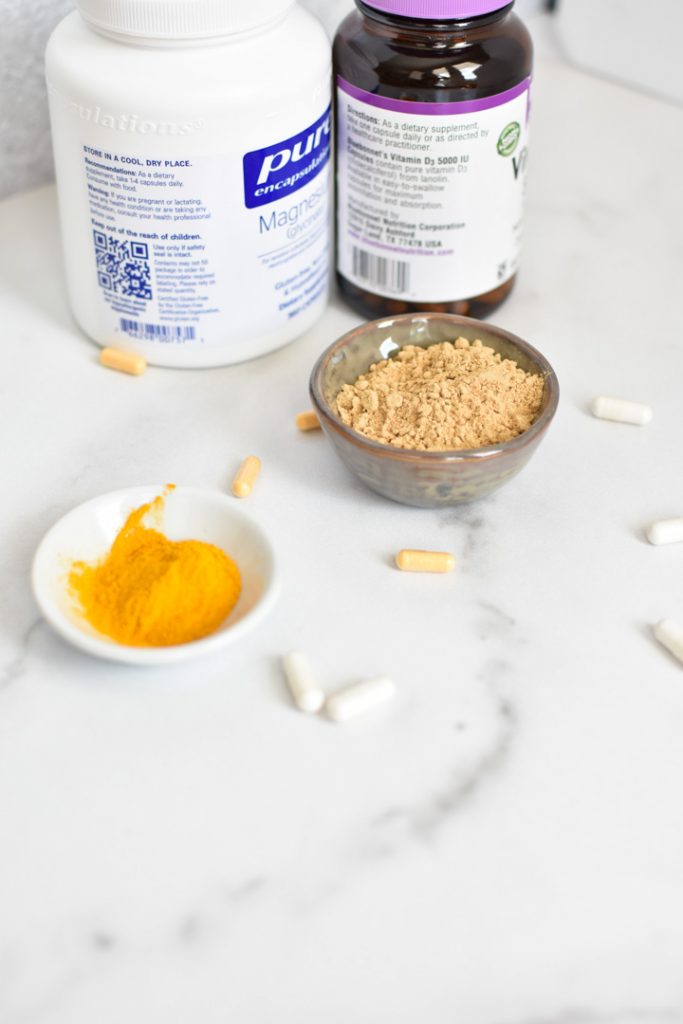
- Magnesium – This took a lot of trial and error. I started out with magnesium citrate and oxide, but at the level I was taking, 600mg daily, it was causing me digestive issues. After a lot of research I landed on Pure Encapsulations Magnesium Glycinate.
Because my research also indicated Magnesium Threonate was effective for cognitive function, which was a big issue for me with vestibular migraine, I added that in to my morning routine. Magnesium has been the most effective supplement I have taken for vestibular migraine and I continue it daily to prevent attacks and help with anxiety and brain fog.
These days I take 2 Cognimag in the morning and 4 glycinate after dinner, before bed. Previously, I spread out my glycinate taking 2 in the afternoon with lunch and 2 in the evenings. If I had a really bad attack, I’d either add in 2 more glycinate pills or do a magnesium bath. Often I’d use magnesium lotion on my feet in the evenings before bed. Magnesium was and is the most effective supplement I have taken for migraine.
- Riboflavin (B2) and other B vitamins– Studies have shown this to be effective for migraine prevention and I took 400mg faithfully my first 3 years with vestibular migraine. I’ve since stopped it because I no longer feel I need it unless I get low. I used to take it in the morning with a full meal. If you have MTHFR I highly recommend this B complex MF! It makes me feel fantastic if my B vitamins ever come back low in blood tests.
- Vitamin D – This is something I continue to this day, as people with migraine have been shown to have low levels of vitamin D. Dr. Beh prescribed me 5,000 IU’s because of my low levels, but I continue to have this monitored through bloodwork and adjust my dosage accordingly. Consult with your doctor to find the right amount for you. I take this in the evenings before bed.
- CoQ10/Ubiquinol – I took CoQ10 initially as a migraine prevention tool, but I don’t believe I was taking a high enough dosage initially to really see results. Mainly because it was expensive. Later on when I saw a reproductive endocrinologist, he recommended 300mg of Ubiquinol specifically, which is the active form of CoQ10. This was actually when I saw the most results with energy levels and head clarity (and we also had good results with fertility). These days I love this CoQ10 and Omega 3 combo from Thorne – both benefits in one pill.
- Iron – Improving my ferritin level has made a big impact on my hormonal migraine attacks, which I have more on below, but I don’t recommend supplementing this without being monitored by a physician, ideally a hematologist. I’ve tried so many types – Ferrochel, Iron Biglyscinate, but I think I’ve actually had the most success with this heme iron. I pair this with lactoferrin and tri-butyrin supreme for better gut absorption, at the advice from my dietitian.
- Probiotics – I originally stopped taking probiotics because I found I was incredibly sensitive to live active cultures and fermented products like kombucha and yogurt, so I have to be careful here. A good option I’ve found to combat this is HistaminX by Seeking Health. I really like Just Thrive probiotics (15% off link) too, which are spore-based and great for those who are histamine sensitive too.
On multivitamins – In the past I took Pure Encapsulations ONE, but I no longer like to take a daily vitamin anymore, and really try to get nutrients through food. I do bi-yearly blood tests to check and see if I’m low in anything, and supplement that. You can find these supplements discounted in my store and on Amazon.
What Migraine Supplements Didn’t Work
Supplements I’ve tried for vestibular migraine treatment that I didn’t continue with were Migrelief and Feverfew. With Migrelief it was nice to have a combination pill of CoQ10, magnesium, and B2. However it wasn’t giving me the amount of magnesium I needed and was also causing me to have digestive issues. Then they added feverfew which gives me headaches and makes me feel hungover.
Ginger works best for me when incorporated into food, and I like it in these ginger gummies for nausea. In supplement form, I had issues with acid reflux and indigestion if I took it as a supplement. I love it in very strong ginger drinks!

Diet
Incorporating a migraine diet was the “missing piece” vestibular migraine treatment for me. This is also a great vestibular migraine treatment at home. When I started the Heal Your Headache diet, I was about 6 months into using medications and supplements. Although I had noticed a decrease in the severity of vestibular symptoms, the daily dizziness persisted.
I was skeptical of the diet, especially since there wasn’t a lot of information at the time on how it could help someone with vestibular migraine. Now after all these years, I believe people with VM tend to see the most success with testing food triggers.
The first two months I didn’t notice a lot of change, and honestly thought it was a lot of hard work for nothing. One night I tested out yogurt, which I had previously eaten almost daily without it noticing a huge difference in symptoms. Within 30 minutes I experienced a vertigo attack, which had been more well-controlled with my medications and supplements. I knew there must be something to it and decided to stick with it.
For me, it took about 6 months to start having breaks in my dizziness. This was almost a full year after starting medications and supplements, and almost 2 years since my symptoms started. Again, this is not a quick fix and half the time it takes blind faith to trust these things are working.
About 8 months into the diet, I was having enough low dizziness days to feel comfortable reintroducing foods. By testing when I had my symptoms under control, it was so much easier for me to distinguish food triggers. There were also foods that seemed to bother me initially, but as I improved over the years I could tolerate them much better.
I’ve now transitioned to a Mediterranean Migraine Diet, which focuses a lot on brain support and overall brain health. It’s not restrictive, just focuses more on incorporating foods for brain function and avoiding ultra-processed foods. I also never reintroduced caffeine as it still makes me feel terrible.
I also believe there’s a huge healing factor that comes from cooking at home. If you can find joy in a new recipe or skill, or sharing a good meal with friends or family, it can help brighten some dark days.
What Diets Didn’t Work
Originally I tried to do Whole30 thinking it was a great way to find food sensitivities and eat healthier. But Whole30 isn’t really meant for someone with a specific chronic illness, like migraine. What I didn’t realize is that most nuts were a huge trigger for me, and I only found this through doing Heal Your Headache. So with Whole30 or even Paleo, I was constantly eating nuts and drinking nut milks thinking I was helping myself.
I also tried to go dairy and gluten free for about 4-6 months to see if it had any effect on my migraine symptoms. I had been tested multiple times for sensitivities to these, especially with my previous gut issues, and nothing was ever found.
However, I saw a functional doctor for a short period who encouraged this so I gave it a try. I think this works much better for those with known sensitivities or allergies, but it’s also possible to improve without going gluten and dairy free. I’m complete proof of that because I love real cheese.
Vestibular Therapy (VRT)
I tried vestibular rehabilitation therapy initially when I was in my chronic cycle with non-stop symptoms and it only made things worse. It was wrong of me to think that if I did more exercises like this, including practicing often at home, that it would help me feel better. What I needed was to calm my brain down with supplements, medications, and diet first before I found vestibular therapy, also known as VRT, helpful.
The biggest difference for me was using a therapist knowledgable with vestibular migraine, which I found through UT Southwestern and Dr. Beh. I only went once every 2 weeks and we worked specifically on head movements and patterns that were triggering for me. The rule was that I needed to return to the same baseline of when I started within an hour. If my increased symptoms persisted longer than that, we had done too much.
Our vestibular therapy exercises included standing on soft mats with my eyes closed, bouncing a ball or picking it up off the ground and then holding it over my head while walking, and watching videos of people walking through busy streets. This helped me so much more the second time around when I wasn’t constantly dizzy.
Vestibular Therapy Exercises
Initially when I was so sick, all I could do was walk. I would set small goals for myself to walk to our sidewalk and back, or down the street and back. Eventually that bloomed into taking a beginning ballet class, which helped me focus on my memory and cognitive function, as well as balance.
I also started mowing our yard since I was home all day without a job – some days were brutal and I had to lay down for a while, but I do think it helped to stay active. Eventually this shifted into more high intensity classes like cycling and weightlifting. This build up happened over the course of 2-3 years.
The best advice my vestibular therapist (the good one) told me was that your baseline dizziness before vestibular therapy or exercise should be the same level you return to after about 20 minutes of movement. If it lasts more than an hour, you’ve pushed too much and need to scale back.

Alternative Migraine Treatments
Every time I saw a slight improvement in my vestibular migraine symptoms, it gave me the passion to fight for more. I knew it could only get better. So I tried a ton of different alternative migraine treatments to see if anything could help me get to 100% days.
- Massage Therapy – I continue these appointments to this day, and try to schedule at least twice a month. My therapist has been practicing almost 20 years and has been educated in reflexology, cupping, acupressure, cranial sacral therapy, and gua sha. We often do a combination of these treatments in my sessions, focusing heavily on my head and neck. With vestibular migraine, a lot of tension and inflammation can be held in that area, so loosening those muscles regularly really helped. It’s also great to sit in a quiet room and just relax. For me, it’s a huge form of self care.
I did try acupuncture for about 6 months, but the cost benefit wasn’t there for me. Personally I saw better results with massage therapy, and it was much more relaxing for me than all those needles.
- Migraine Glasses – I can’t live without these! Axon was my first pair of migraine lenses that I ever used, and these days they use the Avulux lens technology. In the past I wore FL41 lenses, but now use the newest technology with Avulux. Avulux is the only light sensitivity lens to ever be proven effective at the highest standard of clinical testing. I also appreciate that they don’t have a heavy color distortion, which makes it easier for me to edit photos. You can get $25 off Avulux and Axon with code THEDIZZYCOOK. If you’re not sure which ones to get, read my post comparing which migraine glasses are best.
- Allay Lamp can also help a lot with light sensitivity, nausea and even my anxiety, but I didn’t notice that it reduced my dizziness or vestibular symptoms. But if you’re looking for a light that won’t make things worse – definitely try it out. Managing time on the computer and away from screens can help tremendously if your symptoms are constant. If this seems like a lot of effort to you, the Avulux glasses use this same technology in their lenses without having to sit in a dark room!
- Chiropractic Care – A lot of chiropractors will tell you they can cure your “migraines” and you just have to be cautious searching for the right one. I was doing chiropractic care before my vestibular symptoms hit and I don’t feel like it helped either way. I don’t allow any neck manipulations if I do get adjusted.
- Stress Management – After I left my toxic work environment, I noticed I felt better almost immediately. In fact, a lot of issues with my gut resolved within a month of my departure. I think we take for granted how deeply stress can affect us. It was also the most difficult decision I have ever made in my life. Obviously I see so clearly now how much it was hurting my health, but when you’re in it, it’s difficult. There are apps like Headspace, which American Migraine Foundation has a free pass for, and Calm that can help with meditation and mindfulness. While these are great, I find myself forgetting to do them or getting distracted at home. Signing up for restorative yoga classes was also helpful, and helped me commit to being present.
Dealing with dizziness and daily symptoms can be a grind and it just feels so heavy. Finding things that make you happy is so important, especially if you’ve lost your job or can’t work. A few things I did – volunteered for VEDA, started cooking simple dinners, and more elaborate ones if I had the energy, and looked into helping local dog adoption agencies with paperwork or calls.
- Therapy – I highly encourage anyone with chronic migraine to see a therapist regularly and seek out one that can help you work through the . Through my therapist I learned Cognitive Behavioral Therapy techniques, visualization and DBT (Dialectical Behavior Therapy). This can help you shift your mindset from negatives to positives and work through all the anxiety and burden that a chronic illness can carry with it. I struggled greatly with losing my career to migraine and a lot of depression over feeling like my life would be this way forever. She helped me set small goals that made days seem more manageable. It made me realize how much joy I found in cooking.
- Hydration – I committed to getting at least 80oz a day of water, and it truly does make a difference. There are water bottles out there that will give you a schedule for consuming. You can set a reminder on your phone. What worked best for me was getting an insulated water bottle and filling up at least 3-4x a day.
- Sleep Schedule – This factor was difficult for me because my visual symptoms made me want to close my eyes often to rest, or would leave me so exhausted. I feel like our brains have to work extra hard to keep us steady and by about 2-3pm I would feel miserable. I would take 3 hour naps and then not really be tired for bed at a good hour. So I cut out the naps, as difficult as it was. It was really rough initially, but I did adjust and my sleep improved. Every doctor will tell you that a migraine brain loves routine, so getting up and going to sleep around the same time is essential. Also, be aware of how much sleep your body needs and try to not go over or under that number.
What Didn’t Work
Essential Oils – Essential oils are great for just relaxation and I do think that peppermint is great for head pain. However, I was reading that frankincense relieved and prevented vertigo attacks and would diffuse it around my house 24/7, to which I saw no benefit. I think having realistic expectations here is key. For me they’re useful in some instances like traveling, but not as an essential treatment.
Acupuncture – I touched on this above, but saw greater benefits with massage therapy and acupressure. I think the needles weren’t comfortable and some even hurt (even though they’re not supposed to), so I found it difficult to relax.
The Epley Maneuver – Before I was officially diagnosed, I had a number of doctors try different maneuvers on me since BPPV is a really common cause of vertigo. However, this won’t be effective for vestibular migraine without BPPV.
Current Vestibular Migraine Treatment
My current vestibular migraine treatment is helping me through a second postpartum period where I’ve struggled with high cortisol symptoms. This could also be due to my age, which is my upper 30’s.
I am able to manage without a preventative medication now because I work everyday to keep my migraine threshold low and also use my acute treatments if attacks come. I really stay on top of any symptoms that pop up now.
- Truvaga every night before bed for vagus nerve stimulation. Also will use on bad days.
- Cefaly I like to use for any pain attacks or when I have more time to relax and lay down with it. It’s like a massage for my brain. (MIGRAINEFRIENDS for $75 off.)
- Migraine glasses – I have worn my Avulux nearly everyday for the last 5 years. They are truly worth every single penny when I count the amount of times I’ve worn them. (THEDIZZYCOOK for $25 off.)
- Magnesium – A combination of glycinate, citrate and threonate at 560mg a day.
- Hydration Drinks – For stressful days I like the cortisol cocktail or a homemade electrolyte drink. These really give me a boost of energy in the afternoon!
- Exercise – Walking outside every morning and/or afternoon (weather permitting). Resistance training 2-3 times a week.
- Timolol and ativan as needed on dizzy days. I start with timolol or if there is an anxiety component, I’ll use a low dose of ativan and truvaga.
- Diet – After discovering my trigger foods through elimination, I follow the Mediterranean Migraine Diet and just avoid my big food triggers which continue to be caffeine, most yogurt (I can do homemade or Icelandic Provisions plain skyr now!) and kombucha, collagen, pea, and whey protein powders, and walnuts. I really try to focus on omega-3’s for migraine prevention and get a good amount of fiber and protein everyday.
- Sleep – 7-8 hours a night with roughly the same time of waking and going to sleep (doesn’t always go well with kids so I have to rely on the other treatments more).
- Hydration – Aim for 80oz of water a day.
Low Ferritin and Vestibular Migraine
How I Discovered I Had Low Ferritin
After two back to back pregnancies and c-sections, I thought the extreme fatigue this past year was just being a mom of young kids. Then I wondered if I was possibly in peri-menopause.
Seeking out help for my exhaustion, I got a full blood panel that included iron. My ferritin came back as low (below 15 ng/mL) but my primary just told me to take iron supplements with vitamin C for better absorption. I then looked back at my bloodwork and realized my ferritin had been extremely low since I started having kids.
I went to my OB who immediately flagged my increase in head pain, anxiety, and sleep disruptions around my period as potentially an iron deficiency. She referred me to a hematologist.
Seeing the hematologist was incredibly validating. She said at below 15 ng/mL it’s incredibly hard to function. You’re exhausted, and that also pulls down your hemoglobin, which mine was still at the low end of “normal” levels. Ideally she wants her patients to be above 100 ng/mL and to be able to maintain it long term.
I told my hematologist all the things I was doing to raise my ferritin over the years, from supplements to an iron-rich diet, pairing with vitamin C, and avoiding dairy and coffee or tea during those meal times to aid with absorption.
I also cook a lot on cast iron. She said doing all of these things was probably how I was able to keep functioning at such a low level, but that some people just need more help to get their levels up quickly. Because iron deficiency can cause heavy periods, sometimes you can increase the level naturally through supplements, but then lose it all again each month.
Bloodwork for Low Ferritin
Vitamin B12 and vitamin D are essential to supporting ferritin. When one is supplemented, it may lower another as it puts it to use. You cannot just concentrate on raising ferritin if you’re low in vitamin D. This is why seeing a hematologist can be so important to see the whole picture.
Generally bloodwork looks something like this:
- Full CBC panel w/auto diff with reflex
- Ferritin panel
- Folate panel
- B12 panel
- Vitamin D
- TIBC sat with iron panel
- Copper
Most are covered by insurance, except vitamin D. If your insurance does not cover this, ferritin tests and iron panels can be ordered out of pocket for around $50.
Treating Low Ferritin
Because of my symptoms and how long I had been iron deficient, my hematologist ordered 5 iron infusions of Venofer. This was done at an infusion clinic over the course of 7 weeks.
To mitigate side effects I learned:
- The first infusion will always be the hardest while your body figures out what to do with the influx of iron. You may have an immune response. I felt achy and tired after that infusion, but the following ones I had no issues.
- I requested the infusion time be over an hour. Sometimes they do it as fast as 15 minute! I found that slower was much easier on me.
- Ask for the extra fluids if your doctor is ok with it. The nurses would let me finish the infusion with a full bag of fluids with my doctor’s approval. It also helped to stay very hydrated!
- Iron infusions and low ferritin can disrupt other essential nutrients in the body. You want to make sure your vitamin D and vitamin B 12 are also in a good place before and after. They all work together. This is why it’s important to have them all tested.
By my third infusion, I saw amazing results. I had a lot more energy, was sleeping better, and generally felt good. The head pain, anxiety, and many of the symptoms I had around my period haven’t returned since the infusions.
If you have heavy periods, iron deficiency can actually contribute to those. I’ve noticed that replenishing my stores has had a huge, positive effect on this.
Symptoms of iron deficiency, which some are similar to vestibular migraine, can begin to be noticeable at below 70 ng/mL. I believe iron deficiency is another trigger for migraine attacks, especially if you’re prone to them.
I encourage everyone with these symptoms to ask your doctor or OB about this if you have the symptoms. Especially if you’re under 30 ng/mL (which is defined as clinically low ferritin).
Ask for a referral to a hematologist if your primary care isn’t raising any concerns with low ferritin levels. The Iron Protocol is a great free resource.
Vestibular Migraine Remission is Possible
If you’ve seen any of my interviews with Dr. Shin Beh on YouTube, you’ll know that vestibular migraine remission is totally achievable and happens to many patients. Remission may mean different things – either not having an attack for over a year, or maybe it’s going a few months without symptoms or very light symptoms. Obviously my journey was a long one and took a lot of work, but consistency and hope is key. It’s really nice to feel completely cured of that daily dizziness and brain fog.
I realize my vestibular migraine treatment plan won’t be the road to success for everyone, but I hope by sharing it can bring you some idea of how long trying new medications or supplements can take so see results.
Getting to 100% days again does not happen overnight, but they can and will happen. Don’t give up.
Vestibular Migraine Posts

Natural Treatments
Natural Treatments for Vestibular Migraine
Life with Migraine
Vestibular Migraine Symptoms

Vestibular Migraine





Hi,
Thank you so much for your blog! There doesn’t seem to be much out there for vestibular migraine.
I am currently struggling BIG TIME, I have been taken off topirimate and moved onto Nortryptoline and I feel awful. I really don’t want to be on any of these medications as they seem to change my personality and I become very snappy and emotional. I can’t take beta blockers as I have asthma – Do you have any advice at all? I am very interested in botox for this but don’t want to get it if it doesn’t work. I use all the supplements recommended but still seem to be having daily symptoms, even with dietary and lifestyle changes.
Thank you <3
Id look at some of the devices and then also talk with your doctor about timolol too. I have several friends with asthma who tolerate it ok because of the low dosages but that’s between you and your doctor.
I just started Magnesium Threonate to my regimen of chronic BPPV (probably migraine related) and it has been a godsend. I worked up slowly to 3 capsules/day (recommended dosage) and it is working! This is in addition to Mag Glycinate before bedtime. Love your page, recipes and helpful information. Chronic dizziness is not fun, raising awareness of this condition is so important! Thank you!!
A quick (hopefully) question on nut milks. I am dairy free (my hashimotos inflammation is triggered by dairy, gluten and soy). I have been using nut milks (primarily almond and cashew) for what milk I do consume. Are the nut milks just as trigger potential as the actual nuts? Oat milk severely upsets my stomach (go figure) so trying to find a suitable substitute has been challenging.
Hey – yes, actually I find them to be even more triggering. During the elimination phase you could try hemp, flaxseed, rice milk, coconut milk. Then you can reintroduce the nut milks at a later time.
Hi! Coconut milk is ok? I thought coconut was off the table during elimination. thanks!
In HYH it says coconut should be eliminated, but that’s because they classify it as a nut. I have found most people tolerate it very well. I’ll usually tell people if they’re not dairy free you can try to eliminate it as first, but if you are to just include it. If you find it to be an issue, you can always eliminate later.
So glad you got long lasting relief. I’m happy you didn’t have any issues coming off the Ativan. Unfortunately, many are not so lucky with their benzodiazepine, even when used “shorter term” as you did. Please be careful encouraging this as so many suffer greatly, even with a longer taper. Benzoinfo.com has much more information that people should find before taking these medications with any regularity.
Bonjour Alicia, avec votre site je me suis sentie moins seule. toujours mal diagnostiqué en Belgique mais enfin diagnostiquée, ça fait 20 que je souffres de cette pathologie avec vppb en plus qu on n a attribuée aux migraines vestibulaire vu vppb chroniques et manœuvres qui ne marchent pas. pppd aussi enfin tout les symptômes qui nous empêchent de fonctionner normalement. Le.neuro m à proposer de la flunarizine ou de la lamotrigine que je n ai pas prise vu les effets secondaires donc essai Aimovig un mois ça n a rien donné. il m a dit de continuer un an. vous en.mensez quoi des traitements anti cgrp pour les vertiges chroniques du aux migraines ? J ai aussi les tests otolitique de l’oreille droite nettement diminué mais mon neuro dit que ça n explique pas les crises et pour lui les tangages sont lié à la migraine contrairement à ce que mon orl pense. C est très compliqué ici ,merci de m éclairer sur les anti cgrp quand vous savez bien sur. ou de faire un article dessus pour tout ceux qui se posent des questions sur ça merci
En utilisant Google Translate, j’espère que cela se passera bien. L’anti-cgrp est très courant, généralement mon neuro préfère l’émaglité ou l’ajovy. Mais ils peuvent mettre jusqu’à un an pour fonctionner. J’ai des amis VM qui ont beaucoup de succès avec eux. En général, Nurtec fonctionne un peu plus vite. La lamotrigine est également un médicament assez courant, mais je comprends votre résistance. Vous pouvez également vous pencher sur certains appareils de neuromodulation comme le gammacore et le cefaly pour vous aider également. I hope that helps. 🙂
Bonjour Marino, Comme j’habite la Belgique, je me demande si vous avez été au centre des Vertiges à Uccle, Bruxelles et vu l’ORL Dr Valérie Wiener. C’est un excellent médecin, très à l’écoute. Bon courage et bien cordialement.
I went through all this years ago and I don’t think they knew about vestibular migraines then. They said I had Meniere’s and wanted to cut a nerve in my head. I declined and changed my diet and supplements which looked much like what you did. My biggest issue was chocolate and nuts. I was eating alot of nuts doing paleo. So glad I stumbled across what helped me. My mom would always say when I got one of these migraines it looked like I had a seizure. Low carb (South Beach) and keto have been my biggest helping factor! Thank you for this article! Hope it helps people going through this.
Hey Kim – that’s exactly what was happening to me! Eating lots of nuts thinking I was being healthy and ended up having it be a huge trigger.
Hi, Alicia!
New to the VM world, to say I feel like I’ve been loosing my mind is an understatement. Your information has provided me more comfort than you know. I did want to ask, in the beginning, when you were using Ativan to calm your system down and then introduced magnesium glycinate at bed time, did you do them both together?
(So excited to receive your cookbook!)
Much thanks,
Marie