
This post may contain affiliate links. Please see our disclosure policy.
The Heal Your Headache Diet, also known as the “HYH Diet” was created by Dr. David Buchholz from Johns Hopkins University School of Medicine. It has been used by the Johns Hopkins migraine clinic for years as a way to help naturally support patients on their migraine journey by calming down the brain and discovering any migraine food triggers.
Although this migraine elimination diet may seem complicated at first, I’m here to break it down and make it easy for you, as someone who found it to be an integral part of my vestibular migraine treatment plan.
The Heal Your Headache migraine diet is endorsed by many of the top migraine doctors like Robert B. Daroff from the American Headache Society to Ronald J. Tusa from the Dizziness and Balance Center at Emory University. It’s used in the migraine clinic at John’s Hopkins, and is often a first line treatment.
The migraine diet seems to be especially effective for those with vestibular migraine, but was developed to aid with all types of migraine. Still, it remains controversial because largely many parts remain scientifically unproven.
Table of Contents
- My Journey with Heal Your Headache
- On Medication Overuse
- The Migraine Threshold Theory
- Who Shouldn’t Do The HYH Diet?
- The Science Behind a Migraine Diet
- Migraine Foods to Avoid List
- Gluten and Dairy
- Reintroducing Foods
- Foods Allowed on the Heal Your Headache Diet
- Research on a Migraine Diet
- Heal Your Headache Diet Edits
- Frequently Asked Questions
- Closing Thoughts
- Migraine Diet Information
My Journey with Heal Your Headache
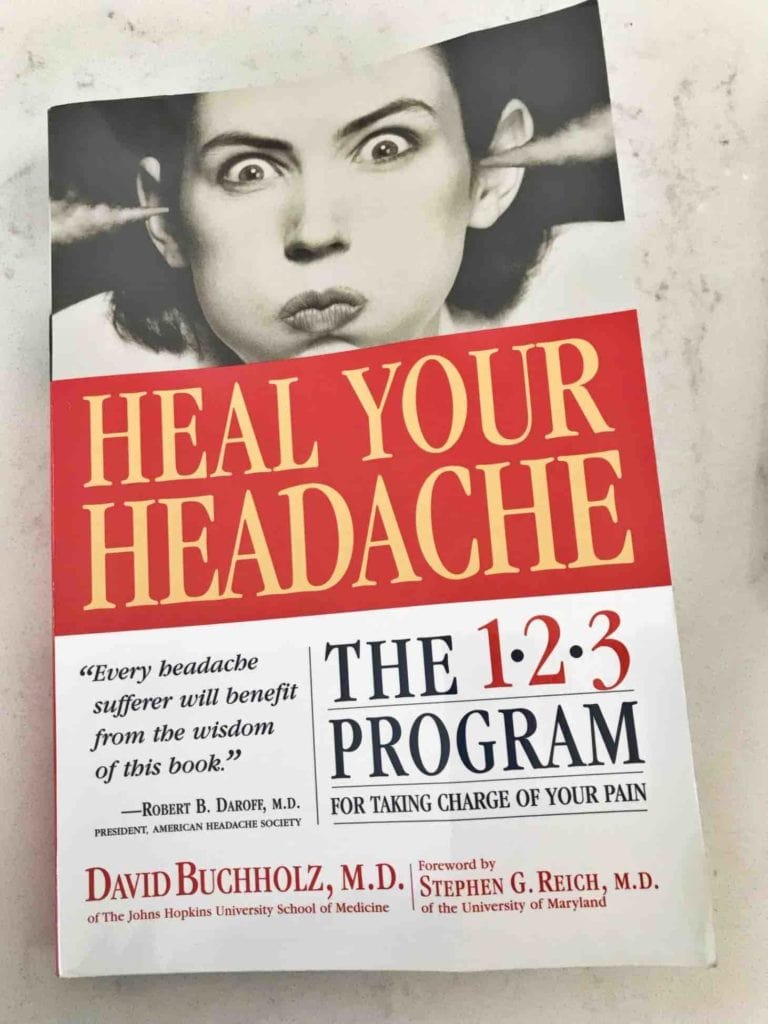
When I first began researching migraine and the migraine diet more in depth in 2017, I found everyone kept recommending the Heal Your Headache migraine diet from this book, Heal Your Headache – The 123 Program for Taking on Your Pain.
I finally read it and found the whole book to be 10x more helpful than the majority of doctor visits I had experienced that whole year. Don’t be confused on the title, this isn’t just a book about headaches.
Heal Your Headache is a thorough overview of all types of migraine. It will show you how to find and avoid your potential triggers, including foods that trigger migraine attacks.
Although the Heal Your Headache diet is controversial, and we’ll address that, it was life changing for me. With my vestibular migraine treatment plan, it took my symptoms from 60% improved to 100% symptom-free days. I ate a varied diet even with the restrictions and had fun cooking. In fact, cooking at home so often brought back a spark in me that chronic migraine had stolen.
This is what I want for you if it’s right for you! With my cookbook and this website, you have over 500 migraine diet recipes at your fingertips.
On Medication Overuse
There are 3 sections to the book. This first is about the standard migraine “abortives” that are widely available such as triptans (Imitrex, Relpax, Zomig), caffeine containing analgesics (Excedrin), and opioids.
It discusses how these can create more migraine attacks if used several times a month, perpetuating the migraine cycle. Unfortunately this section is a little outdated for these days, but still helpful at discussing medication overuse headache.
This is important because if you are in “rebound” or have medication overuse headache, almost no treatments will be effective till you break the cycle – including the migraine diet.
The Migraine Threshold Theory
Understanding your migraine threshold is important to treating this disorder. The threshold is the spot where your attack would occur. For someone with chronic migraine, this is probably lower than someone with episodic attacks.
If you can lower the amount of controllable triggers, while doing other things that raise your threshold for an attack, it will help to calm you brain and reduce attacks.
“Reducing Your Triggers” focuses on the Heal Your Headache, or HYH diet, and how eliminating certain trigger foods can help your threshold. By raising your migraine threshold with the diet, unavoidable migraine triggers such as stress, bright lights, loud noises, and weather changes may not always trigger a migraine attack.
This is the section I will focus most on because, as Dr. Buchholz states clearly, “If your goal is to control your headaches (or migraine attacks) – and take as little medication as possible – the diet is the most valuable tool you have”.
The HYH diet isn’t necessarily meant to be used as a substitute for medication. Some followers of mine do want to use natural migraine treatments instead of medications for various reasons like pregnancy, medication reactions, etc.
I personally find that the Heal Your Headache Diet works best as a part of a whole treatment, combined with medications, supplements, sleep schedules, stress reduction, movement, and mindset.
Who Shouldn’t Do The HYH Diet?
The biggest struggle with the Heal Your Headache diet that I see is the massive lifestyle adjustment that it may take. Some patients find it to be overwhelming and stressful, and that isn’t ideal for migraine either. You must have a positive mindset and a healthy relationship with food before beginning any migraine elimination diet.
If you don’t have this but still want to do the diet, I highly recommend using a registered dietitian to help guide you and make sure your meals are balanced. The worst thing you can do for your gut health and mental health is eat the same meal everyday.
If you have a strict diet already like vegan, dairy free, or multiple food sensitivities. I recommend checking our my Mediterranean Migraine Diet book – it’s more about the foods you should be eating for brain health versus eliminating foods.
The Science Behind a Migraine Diet
The Heal Your Headache diet eliminates some of the most commonly discussed food triggers like caffeine, red wine, and MSG, but some of the foods may seem confusing – like lemons and nuts?!
The list was compiled based on years of patient feedback from Dr. Buchholz’s time at Johns Hopkins. Common food triggers contain some form of tyramine (aged foods, soy sauce) or histamine (fermented foods, yogurt, citrus). High tyramine and histamine foods have a lot of crossover.
According to WebMD “tyramine can cause nerve cells in your brain to release the chemical norepinephrine. Having higher levels of tyramine in your system — along with an unusual level of brain chemicals — can cause changes in the brain that lead to headaches.”
Histamines, according to MBG Health, “cause your blood vessels to swell, or dilate, so that your white blood cells can quickly find and attack the infection or problem. The histamine buildup is what gives you a headache and leaves you feeling flushed, itchy and miserable. This is part of the body’s natural immune response, but if you don’t break down histamine properly, you could develop what we call histamine intolerance.” This is why some migraine patients will also experience MCAS.
The HYH diet also has you eliminate high glutamate items like MSG and soy sauce, as well as sulfites.
Research on many of these food triggers is limited – the strongest being with caffeine, tyramine-rich foods, and alcohol. I also find these to be the most common from feedback of thousands of followers over the last 8 years.
Migraine Foods to Avoid List
It’s important to remember that this doesn’t mean all these foods will be a trigger for you. This diet is meant to be a temporary way to increase your migraine threshold, calm your brain, and discover if you have any food triggers and what they may be.
Most patients find when re-introducing foods that they can tolerate many of these!
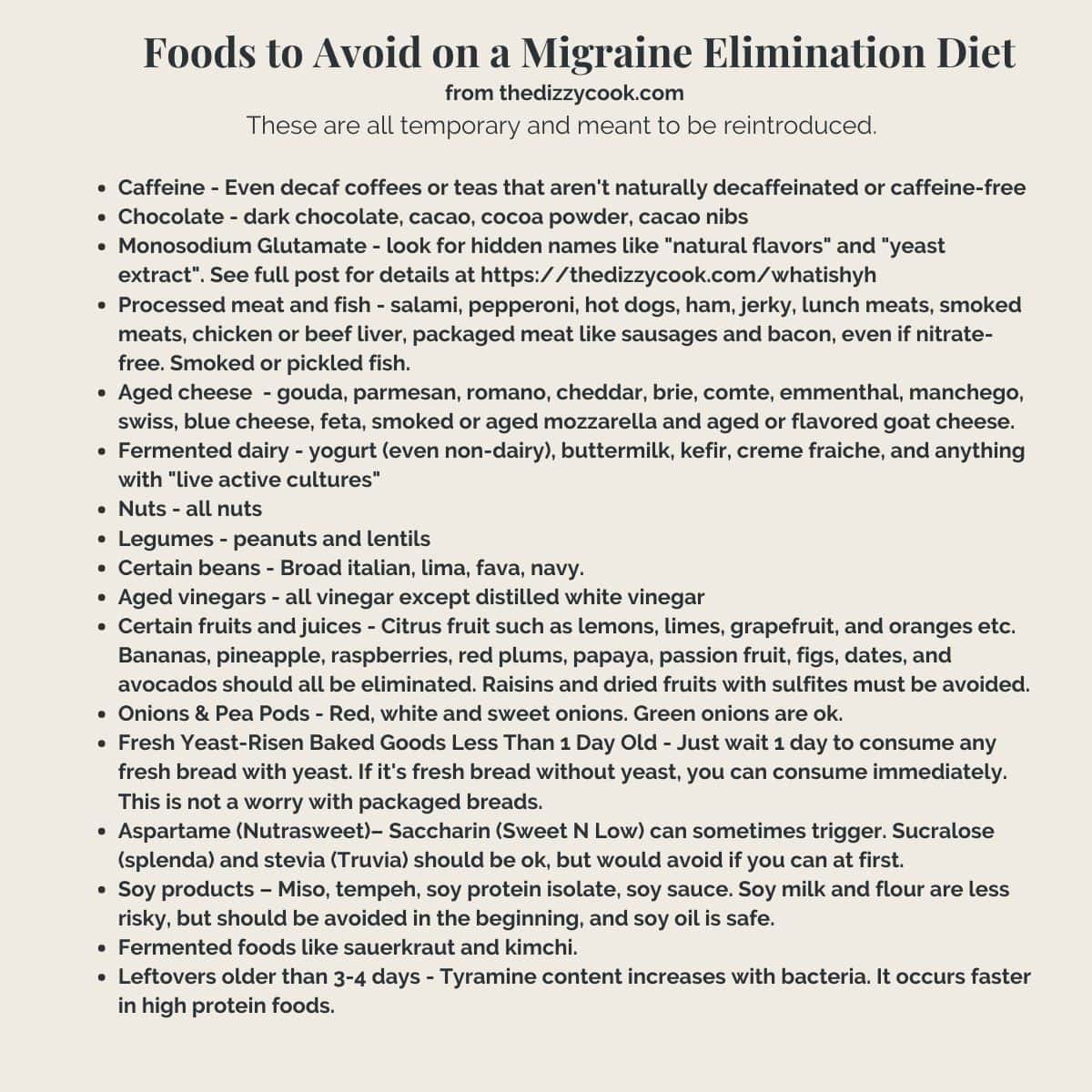
- Caffeine – Any drink or food that contains caffeine. Decaf coffee and tea should be avoided as well since most contain chemical triggers and are not fully decaffeinated . The best substitute you can find are naturally decaffeinated coffees and naturally caffeine-free teas which are guaranteed to be 99.9% caffeine-free.
- Chocolate – Includes dark chocolate and cacao. White chocolate is ok as the cocoa solids have been extracted.
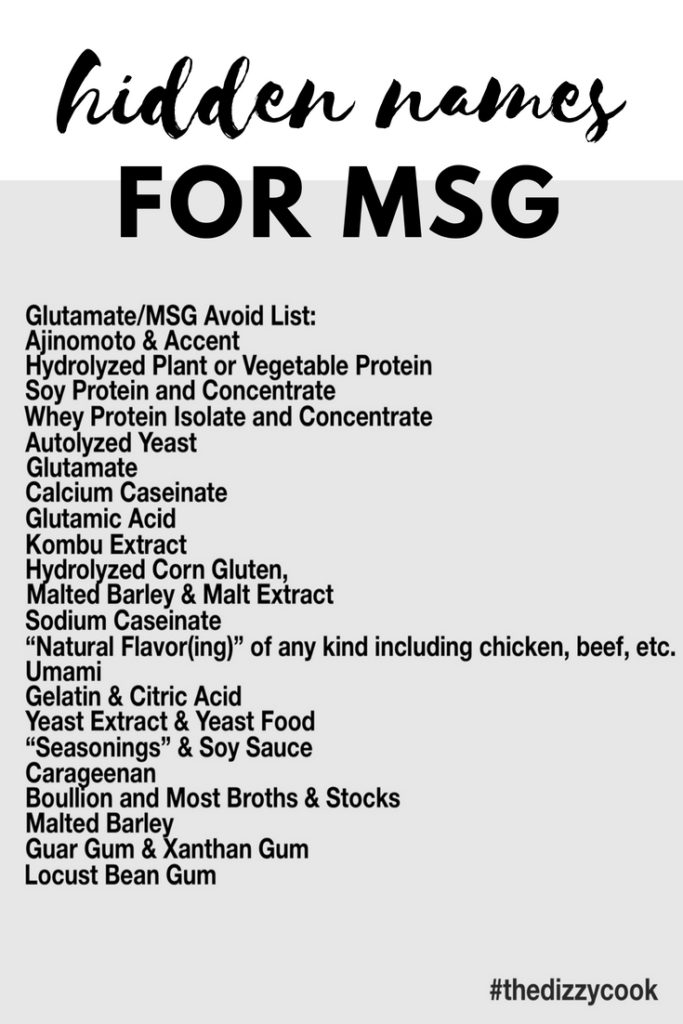
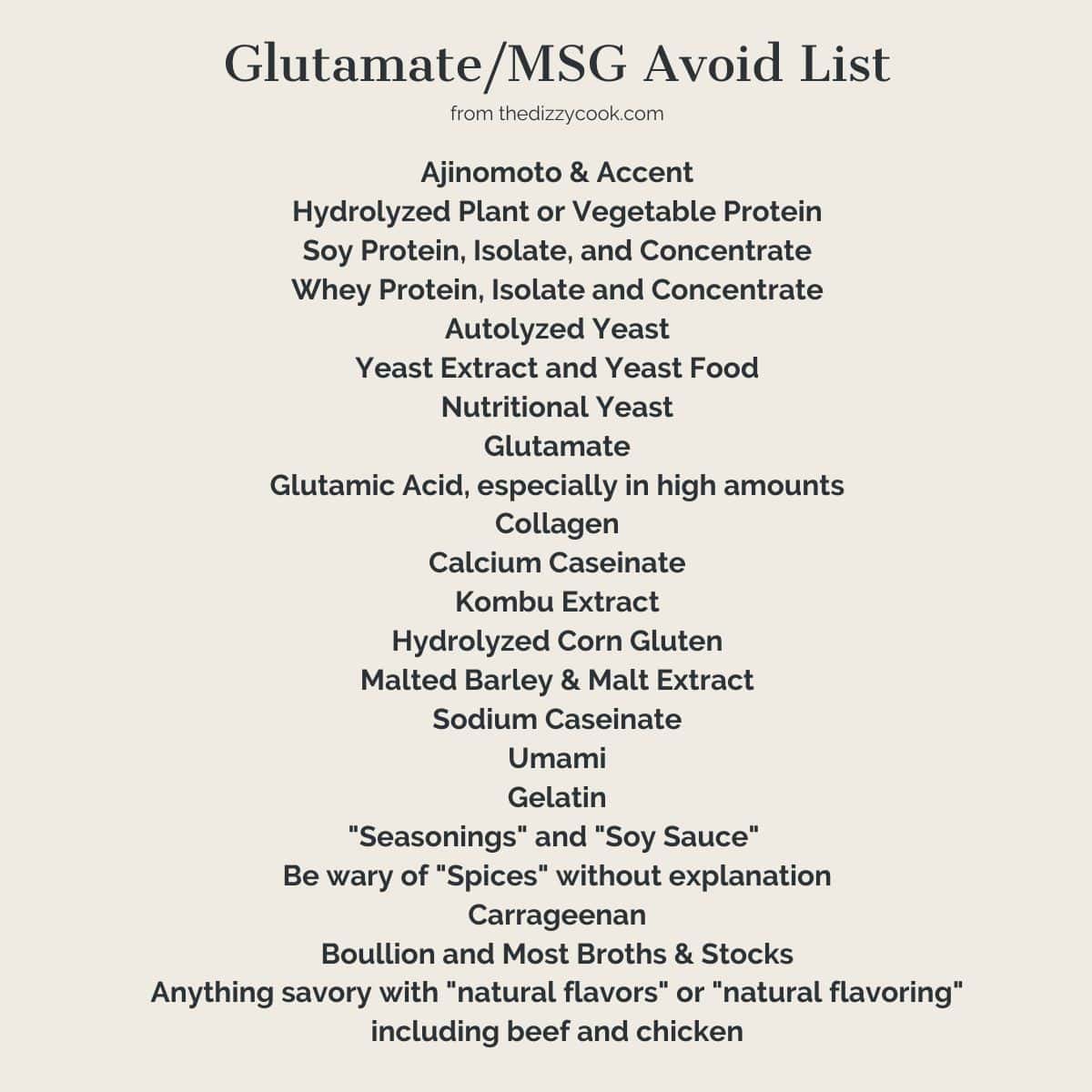
- Monosodium Glutamate (MSG) – Monosodium glutamate but also higher glutamate foods may present an issue – both processed and natural. Other ingredients that can act similarly are hydrolyzed vegetable protein, autolyzed yeast, hydrolyzed yeast, carrageenan, yeast extract, soy extracts, and protein isolate. See the chart for all the names.
Naturally high glutamate foods are tomatoes and mushrooms, as well as parmesan cheese. Tomatoes and mushrooms are allowed on HYH for their health benefits, but some people do find they are more sensitive to these foods. Collagen and other protein powders like whey protein, pea proteins, protein isolates, etc. are also high glutamate foods.
- Processed Meats and Fish- Canned, aged, cured, fermented, smoked, tenderized, marinated meats and fish. Most contain nitrates or nitrites as preservatives. These include hot dogs, ham, jerky, sausage, pepperoni, most deli meats, smoked or pickled fish, bacon, and anchovies. Beef or chicken livers also contain a high amount of tyramine.
- Aged Cheese and Fermented Dairy Products – “The more aged, the worse” according to Buchholz. This includes gouda, parmesan, cheddar, brie, manchego, swiss, blue cheese – anything aged over about 3-4 months. Yogurt, buttermilk, as well as kefir, creme fraiche and sour cream are all elimination period foods.
- Nuts – Walnuts, almonds, pecans, cashews, and macadamia nuts. This includes nut milks, non-dairy yogurt, etc. Pine nuts fall into this category, but I don’t really hear of them being a common trigger like the others.
- Peanuts – Peanuts and peanut butter.
- All Vinegar (except distilled white) – Wine vinegars, apple cider vinegar, rice vinegar, balsalmic. Anything but distilled white vinegar.
- Alcohol – “Especially red wine, champagne, and dark or heavy liquors” says Buchholz. I always think it’s a good idea to eliminate alcohol if your attacks are frequent, although there are some better tolerated types of alcohol for migraine if you are celebrating a special occasion.
- Certain Fruits – Citrus fruit such as lemons, limes, grapefruit, and oranges. Bananas, pineapple, raspberries, red plums, papaya, passion fruit, figs, dates, and avocados are all elimination foods. Also raisins and dried fruits with sulfites, which will be labeled in the ingredients.
- Onions, Pea Pods, and Certain Beans – Broad Italian, lima, fava, navy, and lentils are elimination foods.
- Certain Fermented products – Sauerkraut and kimchi, as well as kombucha. Kombucha is a huge trigger that I see often.
- Fresh Baked Yeast Breads within 24 hours – Baked breads with yeast, bagels, donuts, pizza dough, and pretzels. You could bake or buy them and wait a day to eat, or freeze them. This rule never made a lot of sense to me, but I have several followers who swear it helps. Usually packaged breads with yeast are more than a day old, so fine to consume right away.
- Aspartame (Nutrasweet)– Saccharin (Sweet N Low) can sometimes trigger. Sucralose (splenda) and stevia (Truvia) are not elimination foods, but would avoid if you can in the elimination period. I do get reports these sometimes are triggers.
- Soy products – Miso, tempeh, soy protein isolate, soy sauce. Soy milk and flour are less risky. Soybean oil is allowed on the diet.
- Leftovers past 3 days – This one is based on the build up of tyramine that can occur in “allowed” foods over time. Generally this will happen in food that spoils easily – like chicken, dairy products, beef, and fish. It’s less likely to occur as quickly in shelf-stable foods. I find that this is highly specific to the individual.
If you do have leftovers, it’s a good idea to freeze them and thaw as needed. My standard recommendation is to not let ones that spoil easily go past 2-3 days during elimination.
Other potential triggers include tomatoes and mushrooms…or a number of other things that are completely individual! Do not avoid these things right away since they are healthy foods, but see how you feel as time goes on or do a trial if you notice issues. These two foods are high in natural glutamate, so people sensitive to glutamate may find them issue.
Some followers of mine start to notice issues with spinach, strawberries, cinnamon and other “allowed” foods on the diet. This would point to a histamine sensitivity.
Gluten and Dairy
I often get feedback that all gluten and dairy are common triggers, but they’re actually not considered that for everyone, according to the Johns Hopkins migraine diet. Some studies have even found low fat and low tyramine dairy to be helpful for migraine patients.
Having gluten or dairy as a trigger can indicate an allergy or sensitivity to that particular food, which can definitely make it a migraine trigger for that individual. In the case of celiac disease, gluten can also be a migraine trigger for that individual.
Overall whole grains and good quality dairy are healthy foods that can be included unless they are a personal sensitivity for you. For my recipes, please read within the posts to see if you can edit for gluten and dairy free diets. I find gluten free to be quite easy to do on this diet without being restrictive.
Reintroducing Foods
The Heal Your Headache diet is meant to be a temporary diet, and therefore re-introduction of foods is important. This is how you discover what individual food triggers you may have. Here’s my guide for how to reintroduce foods on an elimination diet.
The standard time people usually do is this between 3-4 months, but I always recommend to check in with your body and see how it feels. If you’re feeling so much better within 2 months, it could be a great time to reintroduce foods.
For myself, I was noticing slight changes at 4 months, but waited to reintroduce foods till 6 months. They extra two months gave me a little more time to go from daily dizziness to symptom-free days. When I had symptom-free days, it was much easier to tell what was actually a food trigger.
If you’re not noticing any changes after 3 months (even slight changes are positive), then it’s ok to stop the diet. It may not be the right fit for you, you may not have food triggers, or you need to revisit your treatment plan with your neurologist.
It’s important to not blame food for every symptom. As we’ve discussed, trigger stacking can bring us above the migraine threshold. Food is just one part of the whole picture.
So one day you may be able to tolerate red wine, but if you’re stressed, didn’t sleep well, or are dehydrated, that red wine may be the tipping point for an attack.
Instead of never trying that food again, make a note of how you feel and what else was going on that day. When you add up these notes, you may start to see patterns. For instance, my diet can be more relaxed most of the time, but near the beginning of my cycle, I have to be a little more careful.
Foods Allowed on the Heal Your Headache Diet
What will help you successfully do this migraine diet is to focus on all the foods you can eat – and there is a lot. Trust me, if I can make over 500 recipes and still not run out of ideas, this diet isn’t actually that limiting unless you’re adding on other food sensitivities.
These include things like:
- Seeds – These make an amazing substitute for nuts and there are great seed butters out there now.
- Berries – Dark berries like blueberries and strawberries can be especially good for brain health.
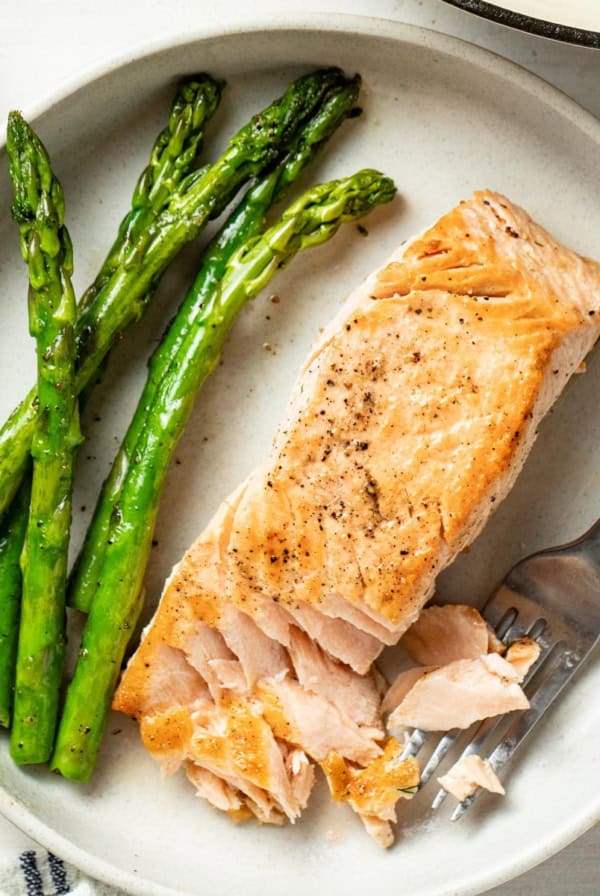
- Fresh fish and meat – Fresh salmon, chicken, and beef are all great options.
- Naan bread – I love to use naan bread without yogurt as pizza crusts!
- Beans – Black beans, pinto beans, chickpeas/garbanzo beans, cannellini beans.
- Fresh cheese – Goat cheese/chevre, Boursin, cream cheese, cottage cheese, American cheese, and fresh mozzarella are just a few. Also dairy milk is allowed too.
- Vegetables – Leafy greens, corn, potatoes of all kinds, celery, zucchini, shallots, green onions, all kinds of squash and peppers are allowed.
- Whole grains and pseudocereals – This also includes farro, quinoa, buckwheat, amaranth, cassava, and more.
There is actually a lot more than this and you can find this in my cookbook, The Dizzy Cook or in the foods allowed on Heal Your Headache section. There’s actually quite a bit!
Research on a Migraine Diet
Sometimes the Heal Your Headache diet can elicit strong opinions, many saying it’s not founded in science. While this isn’t actually true from what we know about tyramine and histamine, as well as caffeine and alcohol’s affect on our brain, the evidence is limited to prove this particular diet is an effective therapy.
As for anecdotal evidence? It has tons. Top migraine clinics in the world wouldn’t recommend it to patients if it didn’t work. It’s questionable if I would have gotten to migraine-free days without knowing the foods I was eating daily, like yogurt, were one of my top severe triggers.
I also get several messages each day that it has been life changing for followers.
Here’s what we do know:
- Caffeine has an impact on migraine, especially those with vestibular migraine.
- A diet high in omega 3’s and low in omega 6 helps to lower the frequency and severity of attacks.
- Chocolate is controversial – for some it may be a craving before an attack instead of an actual trigger. However, there are other properties of chocolate that can have an effect like caffeine, tyramine, phenylalanine, and naturally occurring nitrates. Plus the amounts of additives, colorings, sugar and flavorings within chocolate can be a factor.
- Low glycemic and keto diets may be helpful.
- Gut health is important. Eating the same thing everyday, being stressed about our illness, and taking lots of different medications or NSAID’s can all have a negative effect on our gut health.
- Migraine food triggers are highly individual. This makes it incredibly difficult to prove this diet is effective in studies. If you get a bunch of people in a room to test if chocolate is a trigger, maybe 15% report that it is. For those 15%, removing it may be incredibly helpful to their migraine management. So we can’t just say chocolate isn’t a food trigger at all, it just isn’t for the other 75% of the people in that room.
For a more research-backed approach, you will love the Mediterranean Migraine Diet. I will say, it doesn’t seem to work as quickly as the Heal Your Headache diet, but is more of a long-term, sustainable approach.
Heal Your Headache Diet Edits
The Heal Your Headache book is a wonderful place to start, but there are a few edits I recommend from personal experience and from talking to people over the last 8 years.
Please note, none of this is research-based – just observations from talking to thousands of followers doing the diet.
- Coconut is on the avoid list, but I find that many people are able to tolerate it and it’s rarely a food trigger. It’s really helpful to include, especially those that are dairy free.
- Coconut aminos make a great substitute for soy sauce and are not from a coconut, but the sap of a coconut blossom. Some brands are fermented and some are not, but I really don’t find this to make a huge difference. Most people tolerate it well.
- Pine nuts and macadamia nuts, along with cashews, tend to be the best tolerated of all the nuts. Walnuts and almonds seem to cause the most issues, especially in large quantities like milk.
- Caffeine seems to be a more common food trigger for those with vestibular issues. It can sometimes be an effective abortive for those with head pain. The trick to keeping caffeine in seems to be one 8oz cup a day at the same time everyday – migraine brains like routine.
- If I could update the HYH diet, I’d include other protein powders on the avoid list. Specifically whey, pea, and collagen. They are frequent triggers, especially when used daily.
- MSG is still a factor. Studies out there are conflicting, and while it may not cause headaches for the average person, it seems to be more of a factor for people living with neurological disorders. This is why it’s important to try an elimination period if you feel it may be an issue for you. You can find more info about the MSG controversy on Migraine Again.
- Lentils I don’t find to be a huge issue for people overall, and they can actually be good for brain health so I usually recommend people who are vegetarian leave this in during the elimination period unless they notice an issue.
- Tofu – For those also following a vegetarian diet, I recommend leaving this in just for an easy protein option. It doesn’t seem to be a common trigger for most people (unlike soy sauce), and it’s easier to take out later if you notice it being an issue.
- Sugar is not an elimination food, but I find eating sugar alone without pairing with a healthy fat and protein can be a trigger for some people. They end up blaming sugar, but it could actually be blood sugar fluctuations. Honey and maple syrup are still sugar even though they are presented as healthier substitutes.
- Protein is important – For breakfast, having only a muffin and coffee won’t set you up for success. Pairing the muffin with some protein, whether it’s a cottage cheese with fruit bowl or eggs can be incredibly helpful.
Frequently Asked Questions
There are actually no “bad” foods across the board. This is why doing an elimination diet is important. There may be foods that affect you more than someone else. The Heal Your Headache diet list is just the most common food triggers – it doesn’t mean they are bad foods or will be your personal triggers.
I have over 500 recipes between my cookbook and website so there is a lot you can eat with a ton of variety of fruits and vegetables. The more variety you can include – the better! Check out my free migraine diet meal plan to get started or foods allowed on a migraine diet. Get a second free meal plan when you subscribe to my email list.
If the Heal Your Headache diet seems too stressful for you, you have a history of ED or an otherwise unhealthy relationship with food, or you have multiple other restrictions like vegan and dairy free, don’t worry – this is not for everyone! I highly recommend looking into the Mediterranean Migraine Diet, which focuses on the right foods to include for brain health.
If you feel like every time you eat you are getting triggered, this doesn’t mean you cut everything out. It could be a number of issues – maybe medication is needed or supplements. Poor gut health can be another reason as well as blood sugar fluctuations. Many of us lean into comfort foods when we don’t feel well, but tend to not balance those with healthy fats and protein. If you’re eating sugary oatmeal with no protein in the mornings, this could be a factor. This is where a registered dietitian can be helpful.
No, I rarely find these tests match up. Most dietitians will tell you IgG is wildly inaccurate, and I find even with MRT, the results usually don’t match up to what people find doing HYH. Elimination diets are the gold standard for finding out how food affects you.
It can be. Many find that caffeine withdrawal or other types of withdrawal can create this issue. I usually tell followers to not follow HYH’s advice and quit caffeine cold turkey, but to slowly wean off over a couple weeks by cutting their coffee or tea with more natural decaf options over time.
No, you can re-test as you feel ready. Initially I found avocado to be a low level trigger for me, but as my migraine threshold raised through other parts of my treatment plan and time, I now have no issues with avocado.
This is a question I get often for various things and the answer is no. Some people can’t tolerate lemonade, but can handle a squeeze of a lemon slice over salmon. Others can only tolerate the zest. It’s good to test all these things out versus just eliminating all citrus. I find dried onion
Not everyone is going to be perfect. If you can do it 95% of the time, leaving some room for vacations and celebrations – you’ll probably still see great results and not be as stressed about it. But if you’re only doing it 60% of the time, you can’t really expect life-changing results.
I don’t recommend this route. Let’s say you take out almonds and you’re still having yogurt and coffee everyday for breakfast. You’re still getting attacks without having almonds and don’t feel any better. You figure almonds must not be a trigger. You bring them back and have another big attack. Was it the almonds? Was it the yogurt or the coffee? Almonds were the last thing on your mind so you just say almonds are a trigger and stop eating them without ever really knowing.
Not necessarily. It’s important when reintroducing foods on the heal your headache diet to track stress, weather changes, sleep, and hydration at the very basic level. Food triggers typically show up within 24 hours, but sometimes within 48, especially with trigger stacking. It takes some time and patience to figure out.
For me, the symptoms used to be much more extreme – like I would get a vertigo attack about an hour after eating yogurt. Now that I’m more well-controlled, I get a dizzy, “buzzy” or floaty head with caffeine, or I’ll feel my ears plug up and have head pressure. Typically this happens within 1-3 hours after I eat a trigger food.
Here’s where I think the HYH diet makes the most difference – it gets you to read labels and also cook more at home. These two things alone can make a huge difference in migraine management. As your migraine attacks improve, you’ll have more flexibility. I also have suggestions for migraine friendly take out on hard nights.
Meal planning is your friend during this time! You can start with my 5 day meal plan or sign up through my email list for another free migraine diet plan. Browse recipes and save them by using the little heart in the corner.
Yes! I find this to be more sustainable than vegan. You can find some information on vegetarian migraine diet help and a plant-based protein list here! I recommend leaving in more foods like tofu and soybeans (not soy sauce), as well as lentils.
Closing Thoughts
As I said before, I think the most effective parts of the Heal Your Headache diet doesn’t have anything to do with eliminating trigger foods, but is more about reading labels, understanding what is in your food, and cooking more at home.
If people make these three changes alone, it will definitely benefit your overall health. But unfortunately cooking is extremely hard on migraine days and sometimes it’s the last thing you feel like doing.
I found out that if I just started, put on some good music, and took out all my ingredients, it allowed me to measure everything out so I could use a stool if I needed to sit and work. Being able to cook more at home and be in charge of my health really gave me back some power I felt like I had lost.
For followers, I always like to remind them that these three things are amazing takeaways that the diet will teach you. Even if you don’t see immediate or huge results, you may takeaway a new meal you love making or a product that makes you feel great. And that alone is a huge win.
Migraine Diet Information
For more Heal Your Headache diet information, see these posts and also check out The Dizzy Cook Cookbook.
Heal Your Headache (HYH)
Foods Allowed on the Heal Your Headache Migraine Diet


Heal Your Headache (HYH)
Pantry Staples for the Heal Your Headache Migraine Diet
I also highly recommend purchasing the Heal Your Headache book before you begin which really dives into the details.
This post was written December 7, 2017 and has been updated September 2024 with frequently asked questions and new information.






What about rye bread?
Hi Alicia! I just joined the dizzy community since Nov and am going to try all the things you suggest, cause frankly, this sucks. 🙂 I have found Magnesium Theorate to be the only thing that allows me to work at all, so I do highly recommend that!
I have done some other research which lead me to DAO Enzyme by Seeking Health, that helps digest the histamines that might cause some of the issues? Do you know anything about this? Thank you in advance!
Hi! Thank you so much for the resources! This has been a helpful guide. Thank you for sharing your experiences.
I’ve been trying the Vestibular Migraine diet. It seems like soy has mixed restrictions. I see a lot of foods with soy lecithin, which includes foods that otherwise helped my dizzy spells, such as some ginger candies. Does soy lecithin count as a restriction under this diet?
Hey! No, it’s usually just soy sauce that’s the biggest issue. I even tell some vegetarians to leave soybeans/tofu in unless they notice an issue with it. Every once in a while you get someone with an issue, but overall it’s not very common.
Hello Alicia- I can’t thank you enough for all the help you generously give to this community. You are truly a guide for me! I have both your books. As per your recommendation, I also purchased Dr. Buchholz heal your headache book and shin Beh victory over vestibular migraine book.
I tried to go through the lists and Dr. buchholz lists……. Are split peas allowed ? I would like to use them to make split pea soup but want to make sure that they are allowed on the HYH diet. Thank you in advance for your time.
Hey Sharilee, Yes peas are allowed! It’s just pea protein that’s an elimination food and pea pods, so like snow peas. To be honest I don’t find many people have issues with the pods, but they do with pea protein.