
This post may contain affiliate links. Please see our disclosure policy.
A vestibular migraine diet can mean many things, and over my 7 years of being a vestibular patient I’ve done a lot of research on the best diet for migraine symptoms. Vestibular migraine is the most common cause of neurological vertigo symptoms, yet very few treatments that are researched specifically for it.
When I first began my journey to cure my daily dizziness, I tried so many different things from medications and supplements, to massage therapy. But it was truly a vestibular migraine diet that got me from 60% to 100% dizzy-free days.
Here is my comprehensive guide to a vestibular migraine diet from someone who wrote two cookbooks on it, as well as expert tips on Healthline and MindBodyGreen.
Table of Contents
- The Best Diet for Vestibular Migraine
- Why Diet Changes Can Be Helpful
- My Experience with a Vestibular Migraine Diet
- The Results
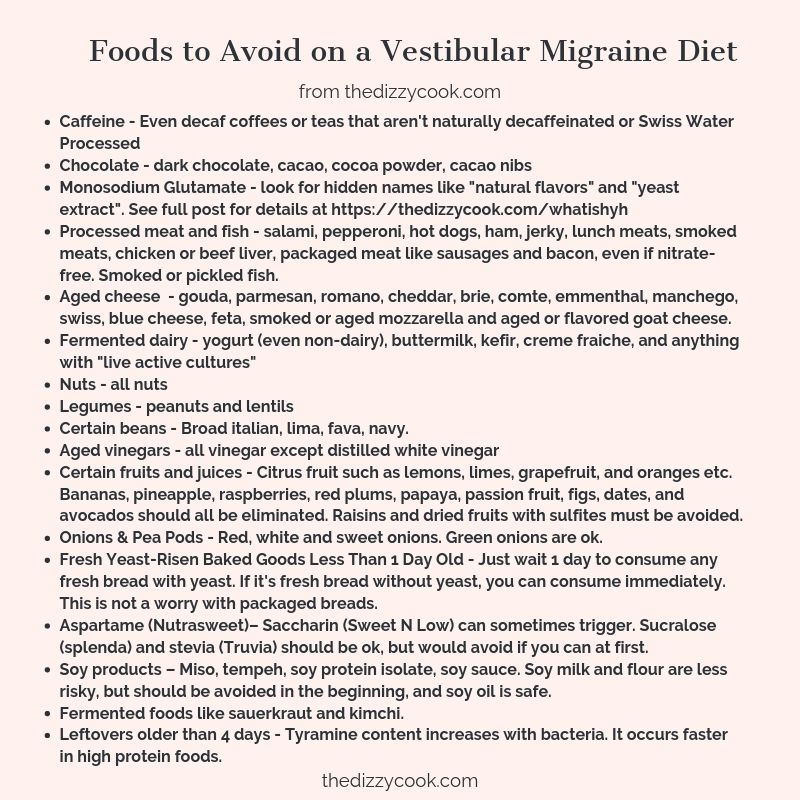
- Vestibular Migraine Foods to Avoid
- Foods that Heal Vestibular Migraine
- What Vestibular Experts Say
- Eliminating Caffeine for Vestibular Symptoms
- What About Sodium?
- Diet Tips
- Migraine Diet Information
The Best Diet for Vestibular Migraine
There are a few different types of migraine diets out there, but the one that tends to be the most popular and be the most effective for managing vestibular migraine is called the Heal Your Headache or Johns Hopkins Migraine Diet.
Originally written by Johns Hopkins physician and migraine expert, Dr. David Buccholz, this diet is outlined in his book Heal Your Headache, which is a bit misleading for vestibular migraine patients without headache but still applicable. The diet itself is recommended by the Johns Hopkins Migraine Clinic and endorsed by two vestibular experts – Dr. Michael Teixido and Dr. John Carey.
Although this type of migraine diet is popular, it is a temporary plan to help you calm your brain and discover if you have any food triggers. This is because it eliminates quite a few foods that are high in common migraine triggers like tyramine, sulfites, and MSG.
This past year I teamed up with vestibular expert, Dr. Shin Beh, author of Victory Over Vestibular Migraine, to write a new cookbook for vestibular migraine patients that focuses on long term brain health – The Mediterranean Migraine Diet.
Why Diet Changes Can Be Helpful
By not eating common vestibular migraine trigger foods you can:
- Lower inflammation
- Help to calm your brain
- Discover if you have any specific food triggers.
- Add one more tool to decrease your sensitivity to other uncontrollable triggers like weather changes or stressful situations without causing an attack.
My Experience with a Vestibular Migraine Diet
While the Heal Your Headache elimination diet works for all types of migraine, this diet was helpful for my vestibular migraine symptoms like dizziness, vertigo, and light sensitivity.
About seven years ago, I was hit hard with unexplained dizziness. To elaborate on that, I had feelings like I was moving when I was standing still. Migrainous vertigo, giddiness, brain fog and confusion, as well as light sensitivity and derealization were an everyday occurrence. My vestibular migraine symptoms were so bad, I ended up having to leave my career in watch development as I could no longer look at a computer screen.
Eventually I found a wonderful neurologist, Dr Beh, who understood exactly what was happening to me and diagnosed me with vestibular migraine. Since I knew I wanted to start a family soon, I needed to get this illness under control quickly and as naturally as possible.
Combined with a full treatment plan of medications and supplements, I added in a vestibular migraine diet.
The Results
Initially I was frustrated with this overhaul of my diet. I had to go through eliminating a lot of foods and giving away many condiments in my pantry and fridge. And the first two months I didn’t see results…so I thought.
One night I tried yogurt, something I used to eat daily before my vestibular migraine began, and I was always dizzy so I never really noticed it bothered me. That evening, I experienced a vertigo attack – something I realized I hadn’t suffered from in months. I then realized I should probably stick with it.
It was about 4-6 months before I really noticed breaks in my daily dizziness. And at about 6-8 months, I was having almost full dizzy-free days. It was at this point I began to reintroduce foods to test and see if they caused a vestibular migraine attack, or even just spiked my dizziness.
Now I follow the Mediterranean Migraine Diet for maintenance and avoid my major migraine triggers.
Vestibular Migraine Foods to Avoid
While the list may seem long, this is just a temporary elimination to help you discover if any of these foods are your personal triggers. Not every food will be a common vestibular migraine trigger.
For instance, I can tolerate chocolate while many of my friends can’t. Or some can tolerate small amounts of caffeine, while any amount increases my dizziness.
A few of the biggest triggers I see are:
- Caffeine – While other types of migraine attacks can sometimes be eased or even aborted with caffeine, it seems that vestibular migraine patients are typically more sensitive. In one study, halting caffeine consumption resulted in a 15% improvement from the patients tested. For me, even conventional decaf coffees and teas set off an episode. I can only tolerate Swiss Water Processed coffee, or reputable water processed brands that are 99.9% caffeine free.
- MSG – Often used to add a savory flavor to dishes, many find themselves sensitive to this flavoring in large quantities. And not just the actual MSG, but hidden names for it as well.
- Fermented foods – Cultured yogurt, miso, kombucha, kefir, and other fermented foods like soy sauce are high in tyramine and histamine as well, which can also affect some patients.
- Alcohol – While some vestibular patients find this to be a vestibular suppressant, others claim it is a common trigger for their attacks.
- Tyramine – Tyramine increases in foods as they age. This includes things like ripe bananas and avocado, aged meat and cheeses, meat or cheese-based leftovers stored in the fridge for longer than a couple of days (where bacteria growth is possible) and citrus fruits.
If this seems too intense for you or like too many foods to handle, I highly recommend reading the Mediterranean Migraine Diet book to see if that may be a better fit.
Foods that Heal Vestibular Migraine
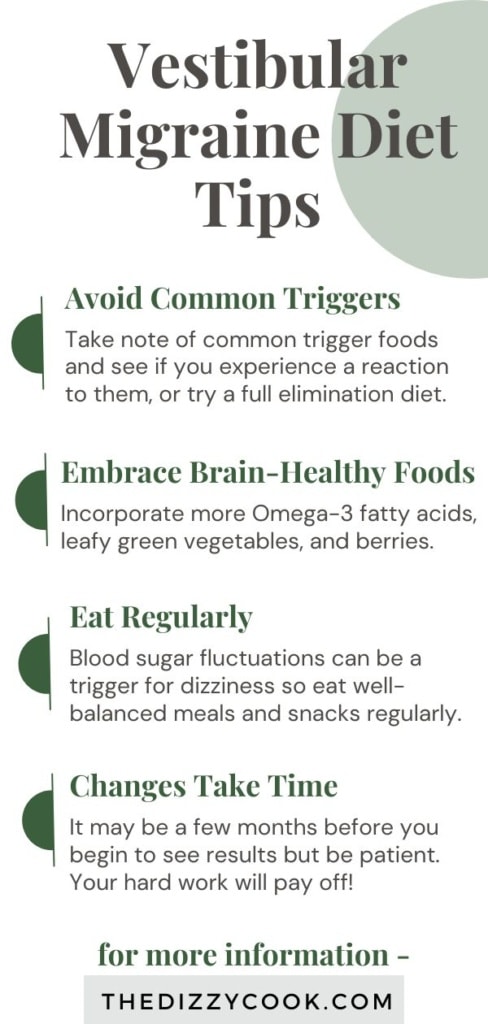
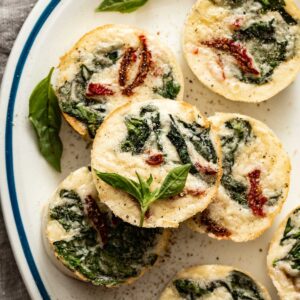
Although it does seem like a lot, check out the foods allowed list. This includes so many fruits, vegetables, cheeses, and all different types of meat so you won’t feel too restricted. A few foods that can help vestibular migraine are:
- Foods high in Omega-3 fatty acids – Salmon, other types of seafood, seeds.
- Fruits and vegetables high in antioxidants – Green leafy vegetables and lots of dark berries, which can boost memory and brain health.
- Eating regularly and balancing meals – While this isn’t a food group, eating regularly for breakfast, lunch, and dinner helps to keep a stable blood sugar.
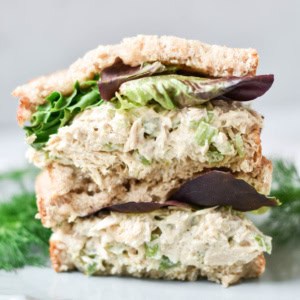
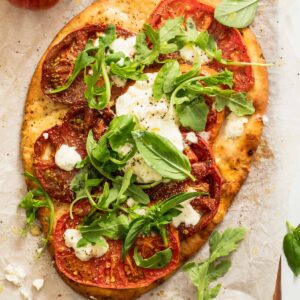
For vestibular migraine recipe ideas, I’ve got you covered!
What Vestibular Experts Say
If you’ve read my Vestibular Migraine Guide you’ll realize there are fewer than 10 specialists in the nation for vestibular migraine specifically. However, many vestibular experts including Dr. Timothy Hain, Dr. Michael Teixido, and Dr. Edward Cho insist that diet is crucial when it comes to managing vestibular migraine symptoms.
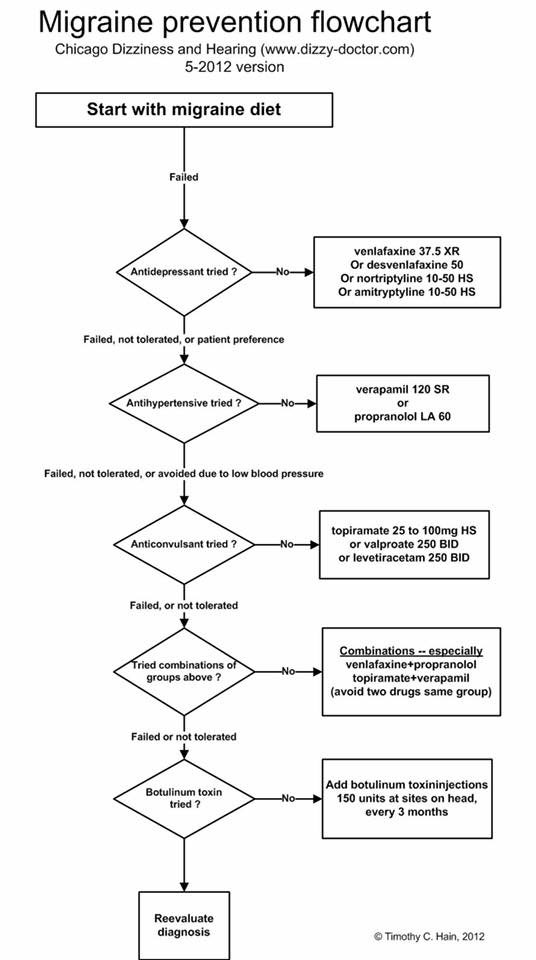
- Dr. Timothy Hain from Chicago Dizziness and Hearing has an incredibly helpful website and the first method of treatment on his flow chart of treatments is a vestibular migraine diet.
- Dr. Michael Teixido who spoke on the topic at the 2019 Migraine World Summit claimed diet was an important part of treatment for his patients. He co-authored the Johns Hopkins migraine diet patient handout.
- Dr. Edward Cho from Cedars Sinai has had great feedback from many of his patients who have tried a vestibular migraine diet to manage their symptoms.
- Dr. John Carey from Johns Hopkins co-authored the Johns Hopkins migraine diet patient handout and is an expert in vestibular disorders like Meniere’s Disease and SCDS.
- Dr. Shin Beh a neurologist from the Beh Center for Vestibular and Migraine Disorders believes diet can have an impact on vestibular migraine. He believes in being aware of the most common triggers as well as limiting caffeine consumption. You can read our new cookbook The Mediterranean Migraine Diet for more information.
Eliminating Caffeine for Vestibular Symptoms
Eliminating caffeine and reducing salt intake can also have a positive impact on Meniere’s patients, another vestibular disorder. Occasionally there is also crossover when it comes to Vestibular Migraine and Meniere’s Disease.
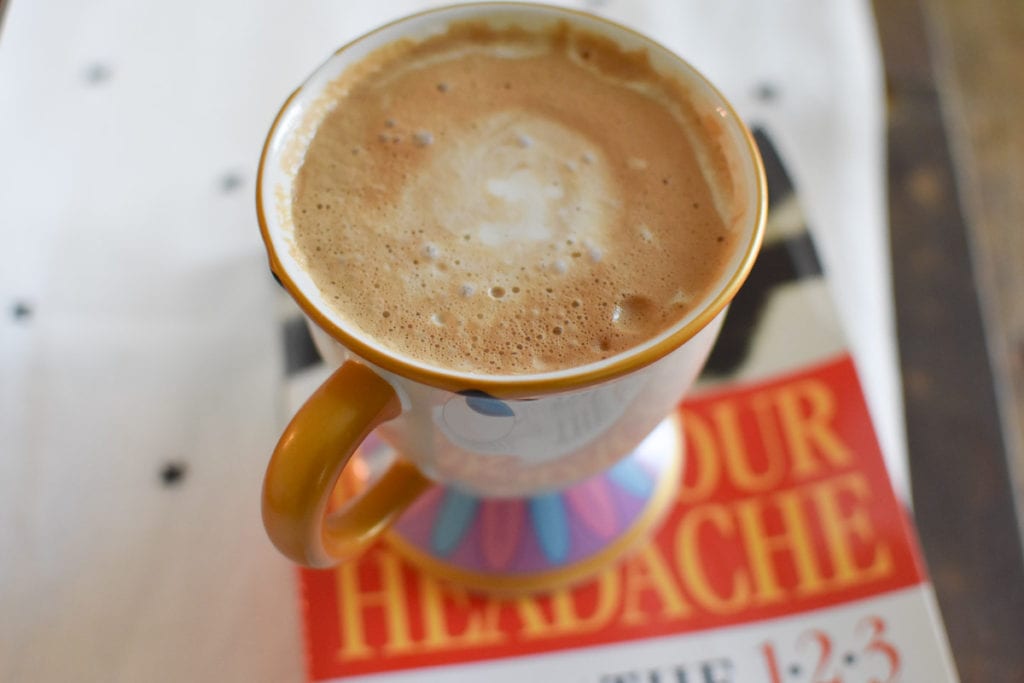
While more studies need to be performed to confirm, the overall conclusion is that refraining from caffeine consumption can help an overall positive impact on those who suffer from vertigo.
So how to reduce caffeine intake without triggering more attacks? Mix half caffeine with a Swiss Water Decaf, which is certified to be 99.9% caffeine free, decreasing gradually. There are many great Swiss water decaf brands and I also have some great caffeine-free drinks.
What About Sodium?
For patients with traditional migraine, a low sodium diet has not been shown to be helpful. Still, eating unprocessed foods that are naturally lower in sodium can be effective. Some studies have shown it to have a reduction in migraine history, while others suspect it was actually sodium withdrawal that was causing more attacks.
A vestibular migraine diet is naturally lower in sodium as it eliminates these highly processed foods, and higher sodium foods like soy sauce.
For patients who have Meniere’s disease along with vestibular migraine, low sodium can be extremely effective along with cutting caffeine and alcohol. So there is a some crossover where this could be effective for other vestibular disorders.
Diet Tips
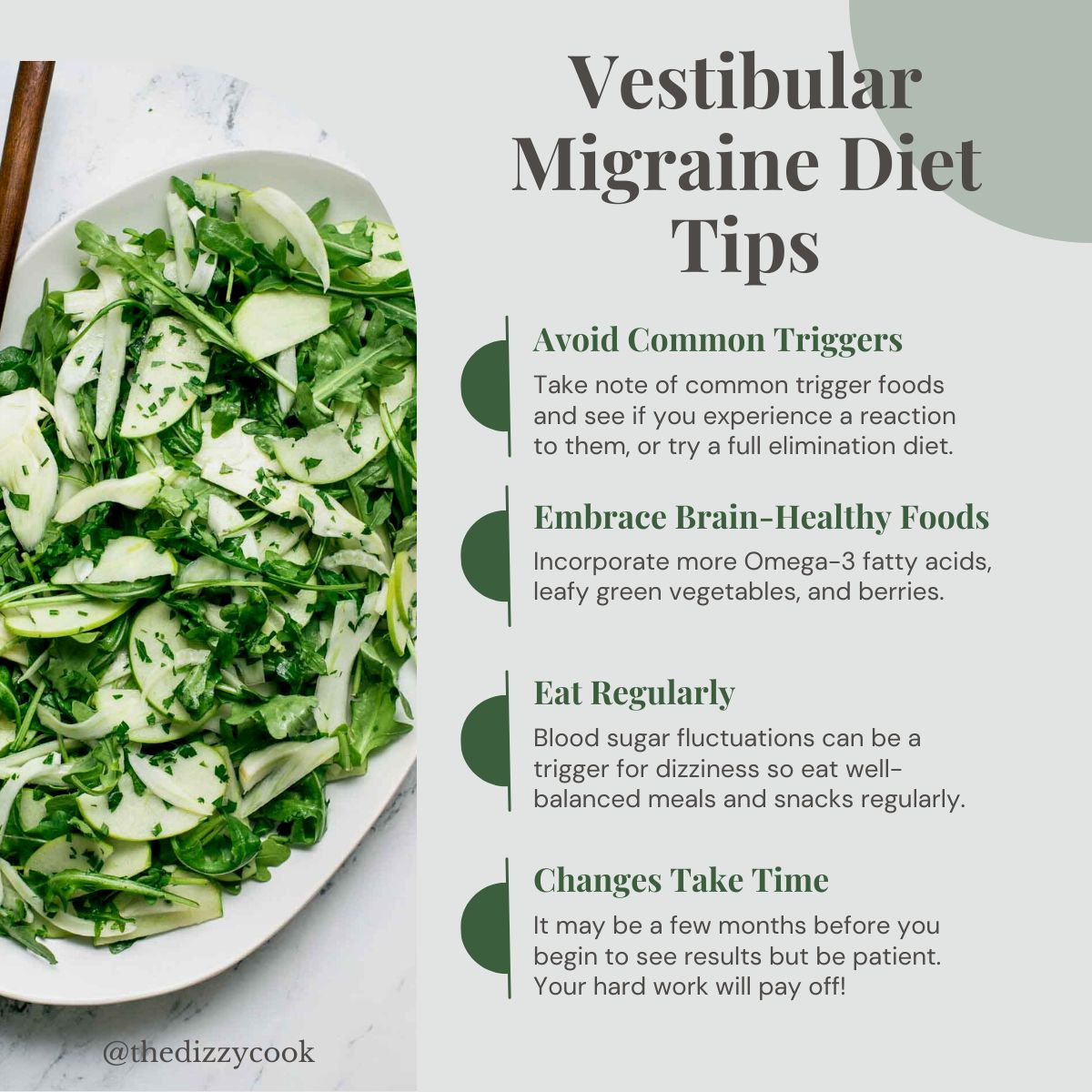
Changing your diet for a chronic illness like vestibular migraine can be overwhelming, but the results can be beneficial. As you can see, the effort I put in was rewarded with dizzy-free days.
Here are a few tips to consider before making any changes:
- Stress level – If cooking more at home, changing everything about the way you eat, or giving up family recipes is going to be more stressful on you to try, then the stress may outweigh the benefits. Focus more on including things that are helpful for your brain rather than elimination. For those in a chronic state like I was, you would give anything to feel better. So it may not feel as large of a burden.
- Regular eating – When people first begin a vestibular migraine diet, they may not know what to eat. Don’t let this paralyze you from not eating regular meals. It’s more important to include a balanced meal of protein, fat, and carbohydrates. This will also keep blood sugar stable, which is essential for managing migraine.
- Watch the sugar – Sometimes people who start this type of diet see that they can eat vanilla ice cream or plain potato chips, and they replace the things they miss with these comfort foods. It’s still essential to eat healthy, balanced meals to see results from a vestibular diet.
Migraine Diet Information
For more information on a vestibular migraine diet see these posts. And don’t miss all my information on vestibular migraine.


Heal Your Headache (HYH)
Caffeine & Dizziness: Coffee Alternatives for Migraine and Vertigo

Heal Your Headache (HYH)
Pantry Staples for the Heal Your Headache Migraine Diet
This post was originally published September 19, 2019. It has been updated January 2023 to reflect updated information and more tips for implementing a vestibular diet.





Any ideas for a good electrolyte drink? I’ve been drinking gatorade zero when needed to help avoid dehydration and it looks like that may be something to avoid.
Thank you so much for this post and finding you!! Been going through all of this, and this article gives me hope. They mentioned today at physical therapy that eggs can be a trigger which led me to you. I normally do eggs every morning, with the exception of a fruit smoothie a couple days a week. Your experience and list is absolutely so helpful, thank you so much for sharing your journey!!
I’m so happy you found me! Usually soy free eggs tend to do the trick if people are egg sensitive. I recommend not cutting them out initially unless you notice an issue because eggs have Omega-3’s which are really helpful for your brain and can also aid in migraine prevention.
Hey Alicia!
Thanks so much for the information. I’ve been trying so many things to get my life back and needless to say it has been an arduous journey of almost 4 years with no luck so far :(. Excited to try the diet!
When mentioned about MSG the list includes both autolyzed and nutritional yeast + yeast extract and yeast food. Does this include packaged bread from the store since yeast is present? Are we able to eat any bread at all?
Thanks!
Hey Mitch – no this does not include regular yeast that’s used in baking. Most breads are ok, and I have some suggestions in my pantry staples. Some people find that they are sensitive if there are items with yeast that are fresh baked and tolerate it better 24 hours later, or after freezing. It’s not a very common trigger, but I do see it every so often so it’s something to be aware of.
I meant to post a long time ago but just wanted to let you know how much your information on VM helped me. I was diagnosed in March of 2020 and felt so alone. There was virtually no help or information. Then miraculously your website appeared and changed everything. I spent about 9 months on the elimination diet before I felt like I had figured it out. I took my time, kept a food journal and I’m happy to say (knock on wood) that I’ve been almost a year with no episodes. This diet was such a gamechanger for me. Thank you so much!
Thank you so much for this! So often people forget to let me know these things or if a recipe is really good, and I really appreciate you taking the time to do it!
Thank you for this informative article. Can you explain more about why fermented foods are triggered? Will cooking them and other food remove the triggering agents?(eg can I bake with yogurt and ripe bananas?)
Hey Nancy – no baking doesn’t seem help from an overall standpoint, although it could end up helping you personally – it would be something you’d have to test later on. Fermented foods are both high in tyramine and histamine. From what I see on here from readers, they’re fairly common triggers so definitely worth avoiding at first till you feed good enough to reintroduce them.
Alicia, do you have weird eye symptoms as well with your vestibular migraines?
is almond milk ok with vestibular migraines
I’m curious about this one too!
The foods to avoid list all nuts, so that would include almonds. You can find a list of foods allowed here.