
This post may contain affiliate links. Please see our disclosure policy.


You hear a lot about migraine food triggers but how do you know if you actually have them? The most accurate way to find out is through a migraine elimination diet.
The Heal Your Headache diet, also the Johns Hopkins Migraine Diet, is meant to be an elimination diet, which means you’re strict about it for a period of time with the intent to re-introduce foods when you feel better. The reason for this is not only to discover if you have any migraine food triggers, but also to lower your migraine threshold.
Unfortunately if you’re not feeling better or having breaks in your attacks, it can be nearly impossible to tell if you have food triggers. In this post I break down when to reintroduce foods and what the best way to go about it is for a migraine elimination diet.
Table of Contents
How to Raise Your Migraine Threshold
A migraine threshold is the breaking point of how many things you can tolerate before triggering a migraine attack. Increasing your migraine threshold can be done in a number of ways. For many people exercise, medication, supplements, hydration, sleep schedule, therapy, diet, and whatever seems to help you best all combine into your treatment plan to help you raise that threshold.
These pieces stack on each other to raise your overall threshold, making it much harder to trigger a migraine attack. For this reason, we want to add in a lot of things that can potentially raise our threshold so we can live a somewhat normal life and not always be worried about what food we ate or how much sleep we get.
Another reason to increase your migraine threshold is to allow your brain some time to calm down. If you feel like you’re having attacks all the time, your brain is overly sensitive and every little thing seems to set you off. Taking potential food triggers out of the mix can aide with this process over the course of a few months.
So even if you don’t discover a bunch of massive food triggers, you can still be helping yourself improve by following the diet.

Why Be Strict on a Migraine Diet?
If you’re not strict and eliminating everything on the plan, you may be allowing that threshold to lower, even just a bit. This opens yourself up to being triggered more easily by bright lights, loud noises, movement, etc. This is like taking a preventative medication 4 out of 7 days and still expecting it to work the same – it just doesn’t.
Also if you’re eating something every so often that’s actually a trigger for you, it can be extremely difficult to pinpoint if you’re also having symptoms daily. Some people have a spike in symptoms that are even worse than what they experience daily, others just can’t tell.
Being strict on the diet for a limited amount of time takes out any guesswork. You don’t have to wonder if it’s the chocolate you had last night or the bacon you had this morning, it becomes very clear what a trigger is once your brain has had a chance to calm down.
Having a set plan and testing foods in a controlled setting will make it more obvious what your food triggers are, so you don’t end up placing the blame incorrectly.
So often this can happen where people get symptoms after a meal and they blame the food, but really it could’ve been the stress from that week combined with low hydration and a change in weather. Perhaps the piece of chocolate that set you off that day would normally be fine if you didn’t have those other things going on.
Why I Tried a Migraine Elimination Diet
When I began the Heal Your Headache diet, I was still having 24/7 dizziness, lightheaded symptoms. I had been on medication and supplements for about 4 months and was feeling a bit better without severe vertigo, intense disequilibrium, or dissociative vestibular migraine symptoms.
Occasionally I would have the walking on marshmallows feeling and pretty bad light and sound sensitivity. A lot of people claim a migraine diet is restrictive, but I actually felt more limited having chronic migraine and trying to go to a restaurant than I did feeling better on a migraine diet, but having fewer options when eating out.
I cooked more at home for months so I COULD actually go out and enjoy a restaurant without wearing sunglasses and wanting everyone in the room to shut up. A part of me figured, it has to get better than this…and it did!
What to Expect
Heal Your Headache recommends reintroducing foods when you reach a migraine “baseline” – which means a reduction in severity and frequency of attacks. This can be different for everyone. For me, personally, I waited till I was having a good amount of totally dizzy free days to reintroduce foods, which was closer to 6-8 months.
About 2 months in I wasn’t noticing a huge change in my symptoms. I still had daily dizziness and I was very frustrated I was putting in all this work for zero changes. That night I tried tzatziki with my lamb dish, which contains yogurt. Yogurt was an item I used to eat daily for breakfast and I never noticed that it spiked my symptoms at all. Within 30 minutes, the table felt like it was moving on me and I experienced a really severe attack, similar to what I used to go through before taking medication and supplements. I decided there must be something to this and I should stick with it a little bit longer.
About 4 months in I was feeling better and started having actual breaks in my dizziness, but was still experiencing symptoms daily. So I decided to stick with it a little bit longer.
Finally around 7-8 months I felt comfortable reintroducing foods. I was having actually dizzy free days, or the dizziness would be so light it really wouldn’t bother me. I could exercise, travel, and drive again without being nervous at all. This was my “baseline”.
Not everyone takes as long as I did to see results. I’ve had messages from some readers with relief within 4 weeks, others have taken almost a year! I will say generally, you should be seeing some kind of results after 4 months to tell if this is actually going to work for you.
Even if they’re slight results, like maybe you still have daily symptoms but you’re no longer having vertigo attacks, that’s still an improvement and a reason to keep going.

How to Find Migraine Food Triggers
The best way to find out if you have migraine food triggers is to test them in a controlled setting. It shouldn’t be over your period, during final exams, in the middle of a European vacation, when your in-laws are visiting, during crazy weather changes, etc.
Test one food for 3-5 days. Some doctors have said food triggers can trigger an attack up 2 days later, but I think that’s a little extreme. Most of mine, and for many of my readers, were noticeable within 30 minutes to a day at the most. They were also pretty obvious. I’d have a clear spike in symptoms. And this is why it can be easier to recognize food triggers when you’re having symptom-free days.
If you start to get really bad symptoms and don’t think you can continue for the whole time, I like to write that food down and keep it in my memory. Continue to eliminate it and try to reintroduce later.
Are Food Triggers Forever?
Once you discover if you have migraine food triggers and what they are, it may feel overwhelming. Perhaps one of your favorites seems to trigger symptoms for you. Don’t worry! This is where raising your migraine threshold can be super important.
For a while when I was reintroducing foods after the elimination, I felt like a lot of things raised my dizziness. One in particular was avocado, and I love guacamole. This was one of those foods I decided I would have as a treat every so often, when I had a higher threshold day.
Over time, I noticed my sensitivity to avocado had diminished and now it’s non-existent. I can have guacamole on occasion and not have any symptoms at all. Why is this? Well, my migraine threshold is a lot higher now than it was back then!
My point is, don’t just write off foods forever. As you feel better, keep giving them a try. I still struggle a lot with yogurt and certain nuts unfortunately, even years later, but for the most part I can freely enjoy most foods without worry. I do try to keep in mind when my threshold is a little lower, with stress, lack of sleep, and weather changes. While I can’t get away with wine and guacamole and MSG, maybe I could do guacamole and half a glass of wine with a wine wand if I’m careful about what my food is seasoned with.
Tips for Reintroducing Foods after Elimination
If you feel ready to reintroduce foods after an elimination to discover if you have migraine food triggers, here are a few tips.
- Start with the foods you miss the most. This could be foods just love or it could be the foods that cause a total pain for you to not eat – like onions or citrus. I started with onions, citrus, and avocado. I love avocado, but being able to eat citrus and onions really opened some doors for ordering out. Especially with salads.
- You don’t have to reintroduce everything. There are some foods I don’t love and never reintroduced. For instance, I never did an official re-introducing of peanuts because I found I loved sunflower seed butter so much more. I’ll eat it here and there at restaurants and it doesn’t seem to bother me, but I overall I just don’t really care to bring them back in. And things like MSG and additives, my life is just better without. I personally love reading labels now and choosing the best options for my health.
- Migraine food triggers aren’t always triggers forever. Just because something triggers you now, doesn’t mean it will a year down the road. As you begin to feel better, it’s sometimes easier to tolerate more. This was definitely the case for me! Things like avocados and cashews used to bother me, but now I tolerate them fine.
- Be patient. This process does take time. I know when you’re feeling better all you want to do is eat all the foods, but going off the deep end may end up in a few unexpected attacks or decrease that threshold real fast.
- Don’t let others influence you. My food triggers are yogurt, most nuts, and caffeine. It doesn’t really make sense and I can’t draw a conclusion as to what I’m reacting to as far as tyramine or histamine, but at the end of the day, it doesn’t matter. Those just make me feel like garbage. I’m automatically dizzy and out for the rest of the day. I’ve had so many people over the years try to tell me a migraine diet is stupid and that nuts are good for me, or I need the probiotics in yogurt. Why would I eat them if they make me feel like garbage? Because someone on the internet says they’re good for me? You know your body best. Don’t let anyone else tell you what it needs. I can get great nutrition from other sources!
The Willy Nilly Approach
I’m going to be honest, I wasn’t perfect on my reintroduction of every little thing. I was one of the impatient people I tell you not to be above. Now I didn’t go crazy for days, but I did go out to eat and enjoy myself a little bit more. I was feeling good! And reintroduction the “good old boy” way takes a really long time.
I always tried to stay away from my big, known triggers, but I didn’t question the servers about every little ingredient in what I might be ordering. There were times it lashed back on me and I couldn’t pinpoint a source. It’s easy to blame food, but it could have been the candle flickering or the loud noises combined with potential migraine food triggers.
Sometimes I could draw a connection. Like on a vacation in France when we had a dish full of walnuts and I felt so dizzy the rest of the day. It raised a red flag, enough that I formally tested it again at home to find walnuts were (and still are) a really bad food trigger for me. I do believe you can kind of gauge triggers this way if you’re really in-tune with your body. It’s certainly not the recommended approach, but we’re all human. However, you do need to test things more than once to make sure you’re not unfairly blaming a certain food.
This is also how I discovered almonds were a trigger of mine. My local grocery store was out of oat milk and I thought I would give Malk almond milk a try. Almost instant dizziness, just like caffeine. The same thing would happen if I went out and had a dish with a lot of almonds in it. It got to the point where I realized every time I ate almonds, I would get an increase in symptoms.
So are you ready to re-introduce some foods?! If there’s anything you’d like to know more of, just ask below in the comments!
Elimination Diet Posts
For more posts on an elimination diet and how to discover migraine food triggers, check out these posts.
Beef
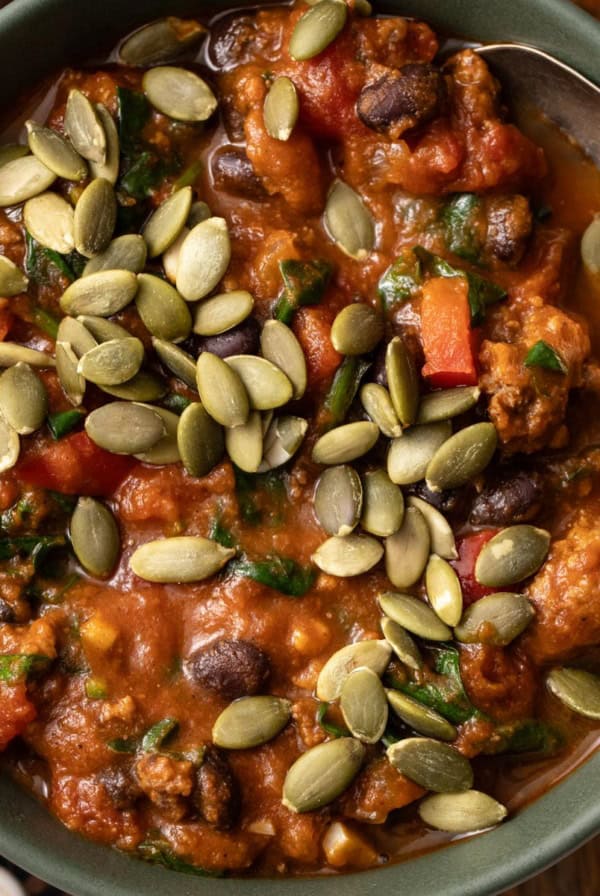
Pumpkin Chili
30 Minute Meals
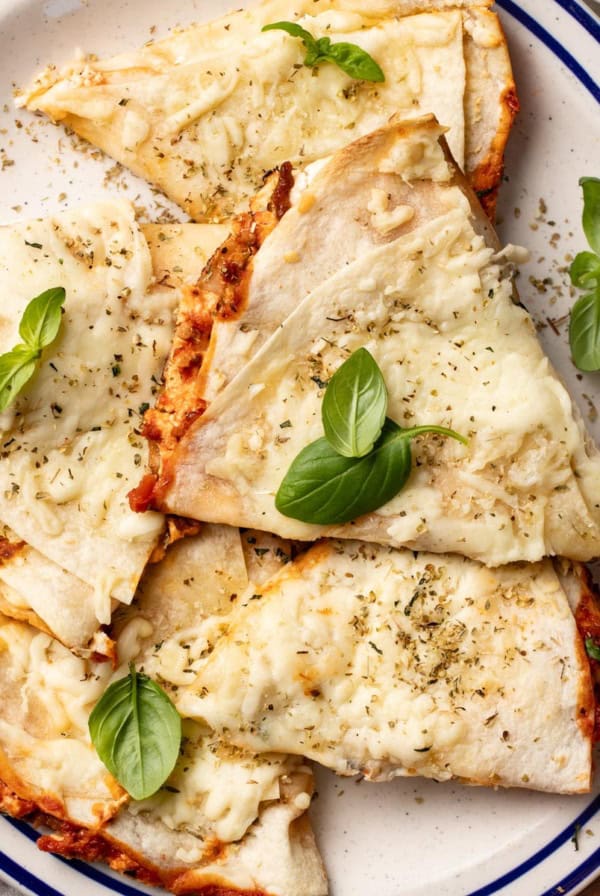
Pizza Quesadillas
Gluten Free
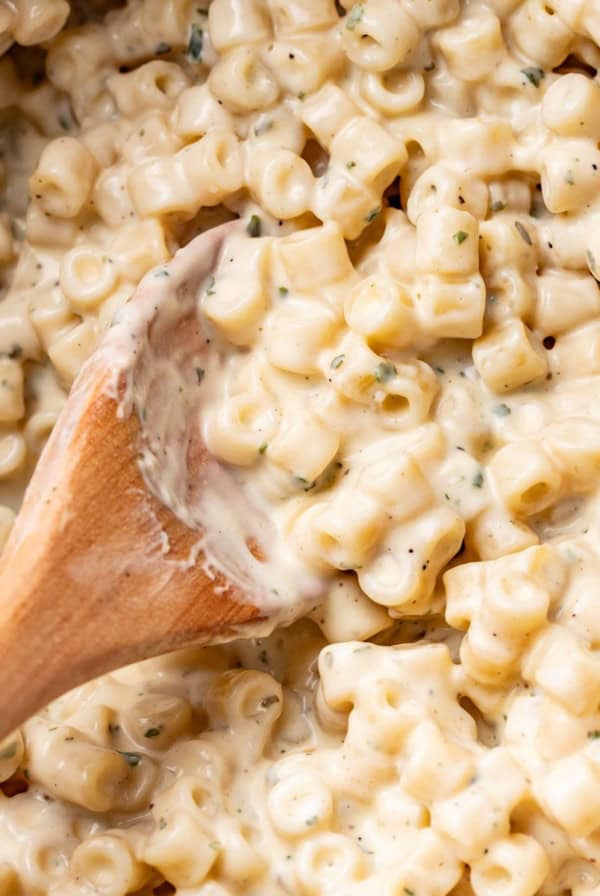
Creamy Ditalini Pasta
Salmon








Hi. After 2.5 months, it was time to introduce items. I map everything on an Excel charrt. Chocolate was fine, and pumpkin isn’t on the migraine diet -yet I started having intense attacks again after eating both of them, which was the first time I’d had one in 2 months. (9/17). Prior to that one, I’d been intense episode free for weeks. I went off both 3 days ago. No change . It’s back to living on the first floor. How long does it usually take until I know it’s not the chocolate/pumpkin and must be another cause? Thanks, y’all!
Hey Rachel, 2.5 months is actually a really short amount of time! That’s amazing you saw results so fast. Do you think you’re trying to reintroduce things maybe a little too soon? The only way to know is once you feel better you would try to reintroduce them again (separately). If you continue to notice a correlation, it would be a trigger food. I’d make a note in a journal so you can remember. Also write down what was happening the day you tested – was there a weather change? Were you stressed? Did you start your period? All these things can contribute to a lowered threshold as well.
Three years in and this inspires me to reintroduce some things I miss like oranges and Avocados. I found mushrooms to be ok after a while. I should try walnuts too, I used to eat them daily and miss them. The hyh diet hasn’t been too hard, probably miss citrus the most. I did discover many new spices, like sumac and leeks as a result.
I missed citrus the most too and I’m so happy I tested it out now..I hope you’ll be able to add it back in too. But you’re right, there is a positive to expanding what we shop for a bit!
Hey Alicia, amazing post. I have migraine but I was never aware about that headache can be healed through foods. I was only dependent on medicines. But after reading your blog I feel like everything can be cured with good food and a healthy diet. Thanks for sharing such a helpful post.
What are your thoughts on IgG or IgE testing for food allergies (possible triggers for migraines)? Do you find them accurate? I was on HYH diet for a year and got tested because I was still having migraines. Sure enough, eggs and dairy were major triggers for me (along with 12 other food items). Avocados, bananas, raspberries and coffee (all high tyramine/histamine foods) didn’t show up but I know coffee is a major trigger for me. However, I now avoid eggs and dairy and that has helped a lot.
Hey Nic, I think some people do find them accurate, but what I’ve learned from my RD friend at Migraine Strong is it measures your bodies response to the food, but doesn’t take into account if it’s actually a negative response….so kind of pointless. Here’s some info on this. She prefers MRT testing which is a lot more accurate as far as pinpointing triggers go. I’d be happy to put you in touch with her if you’re interested.
This is such a fantastic explanation of how to go about the migraine diet. My experience is similar to yours. In my case I gave it 6 months and then slowly reintroduced (although I wasn’t great about staying away from chocolate all the time). I was fine introducing coffee back for a few months and then BAM attack, so goodbye to that. I certainly love avocados, cashews and bananas! I’ll be sharing this post with many because you answer some of the top questions I often get!
I’m curious how avocados, cashews and bananas were for you Em. Those are my favorites and I”m at the beginning stages of the migraine diet.
My body is happy eating avocados, cashews and especially bananas- I probably eat 3-5/day in smoothies. Of course we’re all different but that’s what works for me now! Wish you the best on your journey and feel free to reach out 🙂
I’ve been on the headache diet for about 9 months now. I too had chronic vestibular symptoms that went on for months. Medication (verapamil) got me to the point of being able to function but still with symptoms more days than not. After the first few months, on the diet, I was feeling deprived but it was working and my symptoms were reduced. So, decided I would eat what I wanted without worrying too much about the diet when I ate out (only a couple of times a month) and stick with it at home—that has worked pretty well for me.
So glad you were able to find what works best for you! I was able to get away with it a little bit too, but I know others who have to be totally strict all the time. I think we got lucky. 🙂
What happens when you feel like almost every food gives you a reaction. Every time I test, I have an issue but then I think, I can’t have an issue with every food, right? Or I eat the same food and day 3 I feel awful…..maybe it’s that I can tolerate it mildly and not for days on end…..not sure. Then I am afraid to try again for a while and I give up. I have been living on the migraine diet for close to 2 years. Actually, it doesn’t bother me much but it would be nice to know my triggers for vacations, eating out and living life. Thanks in advance for any suggestions.
Hey Heather, I was much more sensitive when I first reintroduced foods compared to now. It may be exactly as you said or you have other triggers that are helping it stack up like stress, weather, hormones, etc and that food is just tipping you over the edge. Perhaps focusing on another area may help you raise your threshold a little more so food doesn’t seem as triggering – something like mindfulness, maybe increasing magnesium, adding in CBT or looking at other meds. I do know some people who just feel better on it in general and there’s nothing wrong with that either. Usually on vacations my stress level is low, so I can get away with a little more than I would at home. Maybe you can try the “Willy Nilly” approach when you’re on your trips if you think that might be helpful.